The reason why aluminum composite panels occupy an important position in the contemporary architectural decoration field is not only due to their excellent material properties, but also because they can support and extend diverse design concepts, achieving a harmonious unity of function, aesthetics, and environment. The core of the design concept lies in transforming the physical advantages of the material into a medium of spatial expression, enabling building facades and interior environments to possess both visual appeal and practical value.
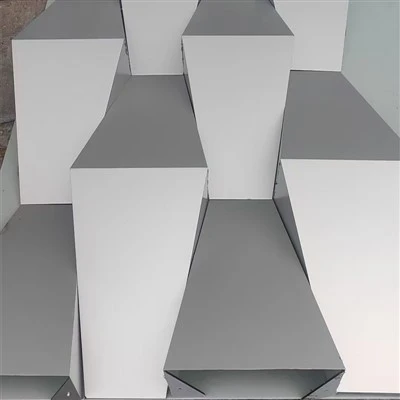
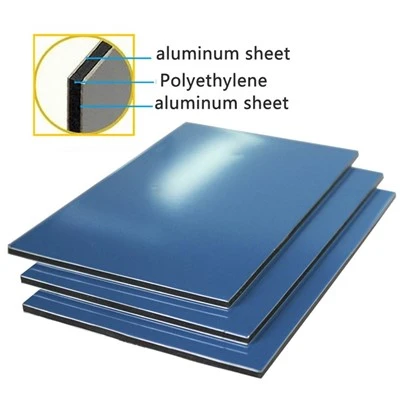
Firstly, lightweight, high-strength, and easy-to-process properties provide designers with a wide range of design freedom. Aluminum composite panels consist of a double-layer aluminum alloy panel and a polymer core material, significantly reducing weight while ensuring rigidity, making the realization of large-span, cantilever, or irregularly shaped structures more economical and safe. They can be easily cut, bent, cold-formed, and shaped into curved surfaces, providing possibilities for exploring complex geometric shapes and non-linear facades. This design flexibility allows architects to break through the limitations of traditional materials and respond to more creative urban landscapes and the spirit of place.
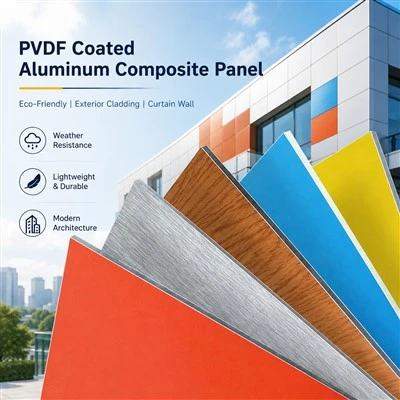
Secondly, rich surface expressiveness is a crucial fulcrum of the design concept of aluminum composite panels. Through coating technologies such as fluorocarbon and polyester, diverse colors, glosses, and textures can be achieved, mimicking natural materials like stone and wood while also presenting a modern, minimalist style with a metallic feel. The selection and distribution of colors can echo the building's functional zoning or regional cultural imagery, and the facade's expression becomes more vivid under changing light and shadow, enhancing the building's recognizability and emotional resonance. The design process must consider color durability, environmental reflectivity, and harmony with the surrounding landscape to ensure that aesthetic pursuits do not diminish over time.
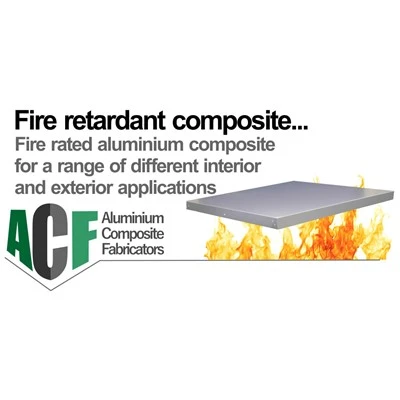
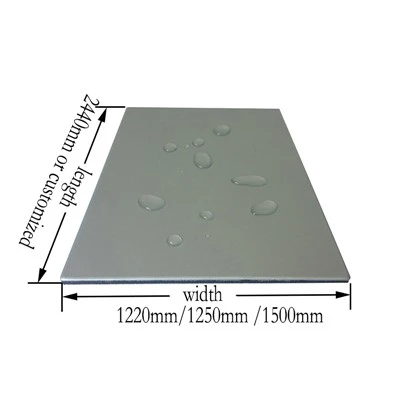
Guided by sustainable design principles, the application of aluminum composite panels also emphasizes environmental adaptability and resource efficiency. Optimizing panel width and layout reduces material waste; selecting flame-retardant or environmentally friendly core materials reduces safety hazards and carbon emissions; and replacing and recyclable installation structures extend the building's skin lifespan. Facade design can incorporate modular layouts that combine ventilation, shading, and insulation performance, allowing for a balance between aesthetics and energy-saving goals.
Furthermore, detailed design concepts are crucial to the overall quality presentation. The careful consideration of panel joint ratios, joint finishing, and fixing methods not only affects physical properties such as waterproofing and wind resistance, but also determines the visual refinement and sense of order. The design must pre-plan construction tolerances and maintenance access to ensure the building remains in good condition during long-term use.
In summary, the design concept of aluminum composite panels is based on material properties, integrating principles of free form, aesthetic expression, environmental responsiveness, and sustainability to construct an architectural skin language that is both innovative and practical. The continuous refinement of this concept is propelling architectural decoration towards a higher level of unity between art and technology.