The reason why aluminum ceilings occupy an important position in modern building roof systems lies in their organic unity of structural stability, reliable performance, and environmental adaptability based on functionality.Their functional foundation not only includes mechanical load-bearing and form shaping, but also encompasses environmental protection, spatial optimization, and coordination with other building subsystems, providing fundamental guarantees for diverse indoor and outdoor applications.
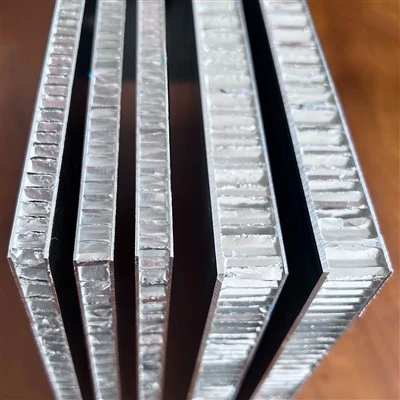
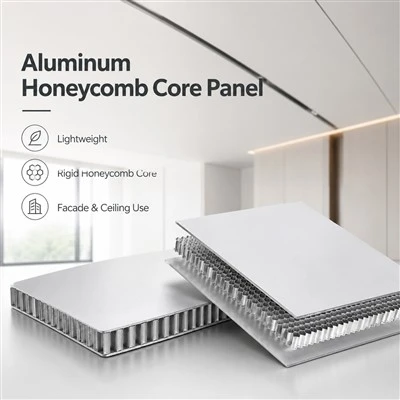
First, structural support is the core functional foundation of aluminum ceilings. Aluminum ceilings consist of an aluminum alloy panel and a keel system forming a load-bearing network. The panels are made of lightweight, high-strength aluminum, which reduces the overall load while ensuring flatness. The primary and secondary keels, scientifically arranged, form a rigid frame that orderly transfers the load to the main building structure, preventing deformation and instability. This structural system allows aluminum ceilings to maintain form stability even in large-span, irregularly shaped, or cantilevered ceilings, meeting both safety and aesthetic requirements.
Second, environmental adaptability and protective functions constitute important components of their basic performance. Aluminum naturally possesses excellent corrosion resistance, and its surface oxide film resists moisture, acid rain, and pollutants, allowing aluminum ceilings to maintain stable performance in humid, high-temperature, or polluted environments. Combined with processes such as spraying, anodizing, or coating, weather resistance, stain resistance, and UV resistance can be further enhanced, ensuring lasting color and texture while reducing maintenance frequency.
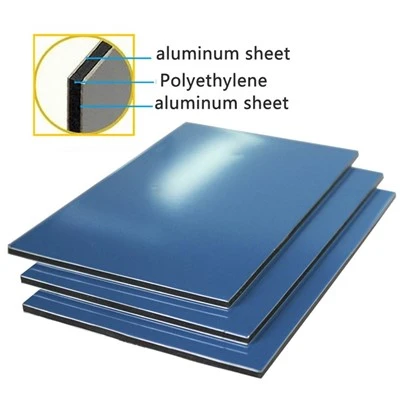
Furthermore, aluminum ceilings also offer fundamental acoustic and thermal regulation capabilities. Perforated aluminum panels combined with sound-absorbing linings can reduce indoor reverberation time and improve the acoustic environment; some composite aluminum ceilings have a thermal insulation or heat preservation layer on the back, optimizing building thermal performance and improving energy efficiency. In addition, the flat, enclosed surface of aluminum ceilings effectively conceals pipes and equipment, keeping the ceiling clean and providing a neat platform for the integration of lighting, fire protection, and air conditioning systems.
Finally, functional foundations also include ease of construction and maintenance. Modular design and snap-fit connections make installation efficient and easy to disassemble, facilitating later maintenance and panel replacement, and extending service life. Its fire-resistant properties and recyclability further enhance its functional support in terms of safety and sustainability.
In summary, the functional foundation of aluminum ceilings is rooted in their stable structural load-bearing capacity, excellent environmental protection, adjustable acoustic and thermal performance, and convenient construction and maintenance capabilities. These elements together constitute its core value and wide applicability in modern building roof applications.