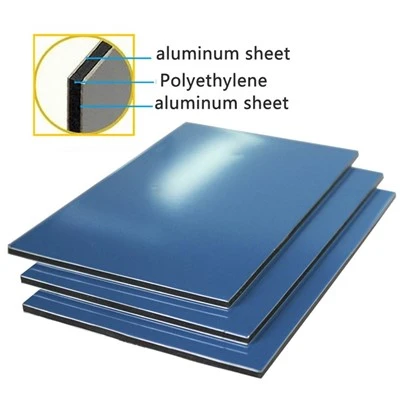
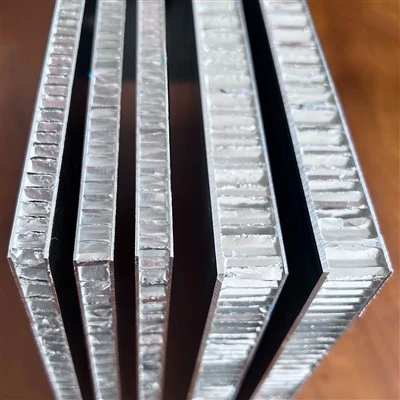
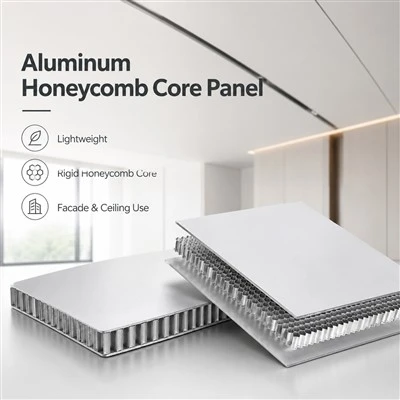
As an important material for modern building ceiling decoration, aluminum ceilings, with their unique material properties and structural advantages, exhibit a comprehensive combination of lightweight, durability, aesthetics, and functionality in numerous scenarios. Their performance not only meets the basic requirements of safety and durability in buildings but also provides flexible pathways for spatial design and environmental optimization.
Firstly, aluminum ceilings possess significant lightweight and high-strength characteristics. Aluminum alloys have low density, maintaining high specific strength even after being made into panels. This makes the self-weight of the ceiling far lower than traditional concrete or plaster products, reducing the structural load on the building and facilitating transportation and installation, offering significant advantages in construction efficiency and cost control. Simultaneously, aluminum's good rigidity, combined with a reasonable keel support system, effectively prevents deformation and collapse, ensuring a long-term flat and aesthetically pleasing ceiling.
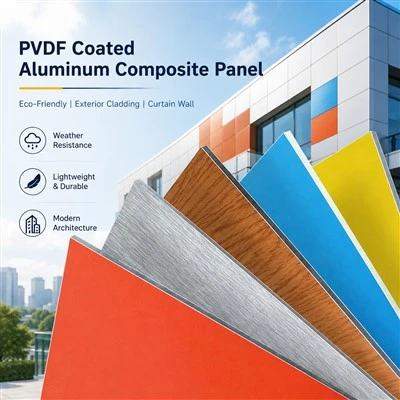
Secondly, aluminum ceilings excel in durability. Aluminum naturally forms a dense oxide film, providing strong corrosion resistance and protecting against moisture, acid rain, and everyday pollutants, making it particularly suitable for areas with high humidity, high temperature, or heavy air pollution. Aluminum panels treated with spraying, anodizing, or coating further enhance surface hardness and weather resistance, maintaining color stability and texture in both indoor and outdoor environments, reducing maintenance frequency and costs.
Furthermore, aluminum ceilings offer exceptional versatility and decorative appeal. Through rolling, stamping, and CNC machining, they can be crafted into various shapes such as flat panels, perforated panels, waves, and grilles to meet the artistic expression needs of different spaces. A wide range of surface treatments are available, including solid color spraying, wood grain or stone grain coating, and mirror or matte anodizing, seamlessly integrating with interior design styles to achieve a unity of function and aesthetics.
In addition, aluminum ceilings are convenient and efficient to install and maintain. Modular snap-fit or hanging structures simplify and expedite construction, facilitating later panel replacement and pipeline maintenance. Their excellent fire resistance, with most products meeting relevant national fire resistance standards, enhances building safety. Furthermore, the materials are recyclable, aligning with green building and sustainable development principles.
Overall, aluminum ceilings, with their core characteristics of being lightweight, durable, versatile in design, easy to install, and environmentally friendly and recyclable, offer a superior solution for modern building ceiling systems that combines practicality and aesthetic appeal.