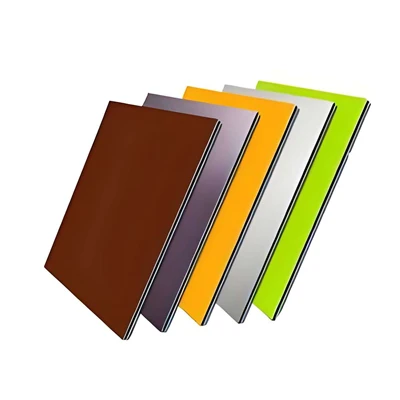
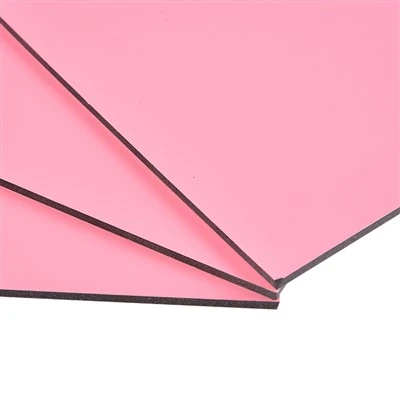
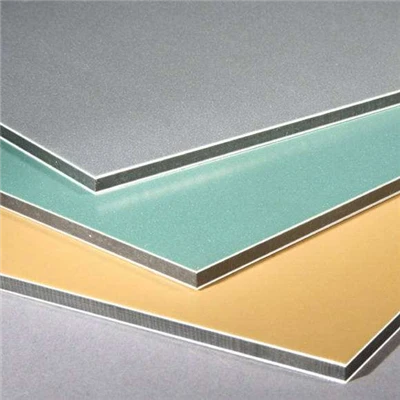
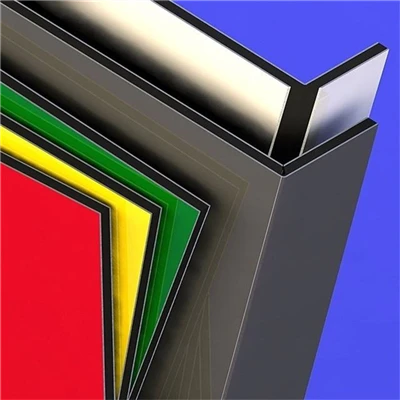
Aluminum composite panels, widely used in contemporary architecture and decoration, owe their performance advantages to the scientific proportions and composite processes of their various components. The panel mainly consists of three parts: a surface aluminum alloy panel, a core polymer material, and a surface coating system. Each material plays a different role in the structure, working together to achieve a comprehensive performance of lightweight, high strength, weather resistance, aesthetic appeal, and ease of processing.
The surface aluminum alloy panel is the outer structure of the aluminum composite panel, typically using rust-resistant aluminum or aluminum alloy series, with a thickness generally between 0.2 and 0.5 mm. Aluminum alloys possess good strength and toughness, maintaining shape stability under external forces, and also have natural oxidation resistance. The surface aluminum alloy not only provides rigid support for the panel but also facilitates cutting, bending, and cold forming during processing, creating conditions for complex shapes.
The core material is the key component for achieving the lightweight nature of aluminum composite panels. Commonly used materials are polyethylene (PE), flame-retardant polyethylene, or modified polymers. Some high-end products use flame-retardant core materials filled with inorganic minerals. Polyethylene core material has low density and good toughness, effectively absorbing impact energy and making the panels less prone to breakage under external impact. It also possesses certain heat insulation and sound insulation properties. To meet building fire protection requirements, flame-retardant core materials, through the addition of flame retardants or modification of molecular structure, increase the ignition point and inhibit flame spread, ensuring the panels meet stricter safety standards.
Surface coating systems give aluminum-plastic composite panels rich color options and weather resistance. Commonly used coatings include fluorocarbon resin (PVDF) coatings and polyester (PE) coatings. Fluorocarbon coatings have high chemical stability, strong resistance to ultraviolet rays, acids and alkalis, and staining, making them suitable for curtain wall projects exposed to harsh outdoor environments for extended periods. Polyester coatings are relatively inexpensive, offer vibrant colors, and have good processing performance, making them more suitable for interior decoration or applications with less stringent weather resistance requirements. After pretreatment of the aluminum alloy panel, the coating is cured at high temperature to form a continuous and dense protective film, which not only enhances the decorative effect but also extends the service life of the panels.
During the composite process, the three main materials are bonded together using high-temperature and high-pressure technology to form a robust, integrated structure, allowing their respective advantages to complement each other: aluminum alloy provides strength and machinability, the polymer core material achieves lightweight and cushioning, and the surface coating ensures weather resistance and aesthetics. Understanding and rationally selecting these materials can optimize the overall performance of aluminum-plastic composite panels under different environmental and functional requirements, providing a reliable material foundation for architectural decoration and engineering applications.