Full Industry Knowledge of Aluminium Composite Panel (ACP) Roof
1. Basic Definition & Structural Composition
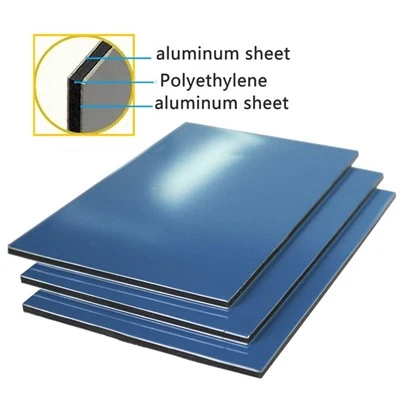
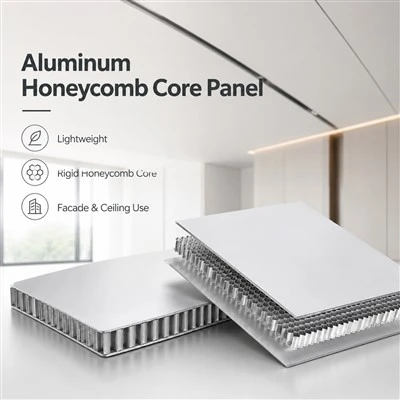
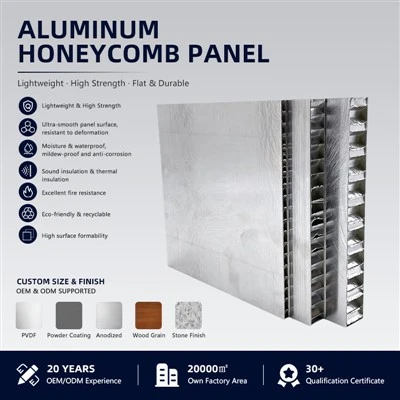
Aluminium Composite Panel (ACP, also named ACM panel) roof is a mainstream lightweight modern roofing material with a typical sandwich laminated structure:
Top & bottom skins: 0.20mm–0.50mm thick 3003 / 5005 series aluminium alloy sheets, treated with chromate conversion for adhesion and anti-corrosion.
Surface coating: Two mainstream coatings for outdoor roofing:
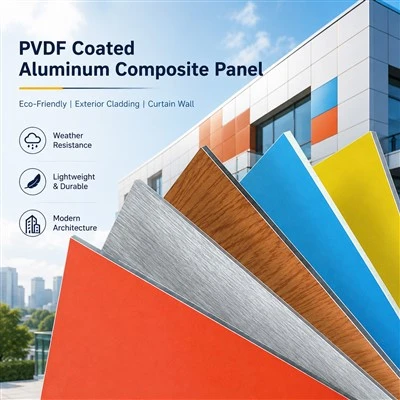
PVDF (Kynar 500 fluorocarbon coating): Premium grade, anti-UV, anti-fading, 15–25 years outdoor service warranty
Polyester (PE coating): Cost-effective option for low-rise roofs & sunshade canopies, service life around 8–12 years
Middle core material (two classifications):
PE polyethylene core: Lightweight, good shock absorption, only applicable to low-rise temporary roofs, carport sunshades, landscape pavilions
FR fire-retardant mineral-filled core (B1 grade flame retardant): Added magnesium hydroxide/aluminium hydroxide filler, oxygen index ≥32, meets international fire codes for commercial building roofs
Common standard panel thickness for roofing: 4mm (most widely used), 5mm & 6mm for high wind-load areas; 3mm is only used for small sunshade roofs.
2. Core Performance Advantages of ACP Roof
2.1 Ultra-lightweight & high structural efficiency
ACP density is only ~1.5g/cm³, weight is 1/3 of solid aluminium panel, greatly reduces the load of steel roof support frames, cuts steel structure investment and foundation costs; meanwhile the composite sandwich structure delivers high rigidity and flatness, resisting bending deformation under wind and snow pressure.
2.2 Outstanding weather & corrosion resistance
The integrated aluminium skin + intact coating layer effectively resists acid rain, coastal salt fog, industrial chemical pollutants and long-term ultraviolet radiation. PVDF-coated ACP will not chalk, fade or peel under long-term outdoor exposure, suitable for tropical, coastal and industrial harsh environments.
2.3 Good thermal & sound insulation
The polymer core layer blocks heat conduction, lowering building cooling/heating energy consumption; the sandwich structure weakens raindrop impact noise, effectively improving indoor quietness compared with pure metal color steel tiles.
2.4 Powerful processing & aesthetic flexibility
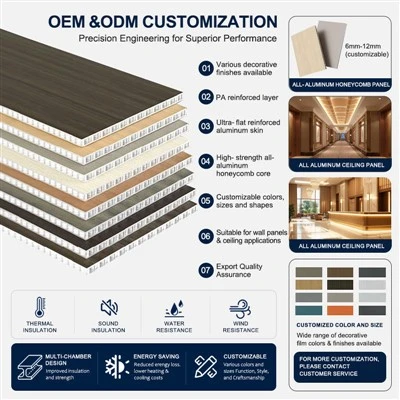
ACP can be arbitrarily cut, bent, folded and grooved on-site to adapt to flat roofs, single-slope roofs, curved roofs, cornices and special-shaped roof modeling. Rich surface options: solid color, metallic color, brushed finish, wood grain, stone grain, mirror finish to match various architectural styles.
2.5 Easy installation & low later maintenance
Light plates are convenient for transportation and hoisting; matched with concealed clip fixing system, construction progress is much faster than traditional waterproof coiled material and metal roof. Daily maintenance only needs semi-annual washing with neutral detergent, no regular anti-rust painting required.
2.6 Recyclable & eco-friendly
Aluminium skins can be fully recycled after service life ends, conforming to green building material standards and LEED building certification requirements.
3. Main Limitations & Matching Application Scenarios
3.1 Disadvantages of ACP roofing
Thermal expansion risk: Aluminium has obvious thermal expansion and contraction; insufficient reserved expansion gaps will cause panel arching, cracking sealants and water leakage.
Limited fire performance of ordinary PE core: Pure PE core is combustible, strictly prohibited for high-rise building main roofs; only FR flame-retardant ACP can be used for formal commercial building roofs.
Weak anti-hail impact: Thin aluminium surface is easy to dent under strong hail impact, not recommended for areas with frequent severe hail weather.
Water leakage risk highly depends on construction quality: More than 90% of ACP roof leakage problems come from irregular joint sealing rather than panel quality itself.