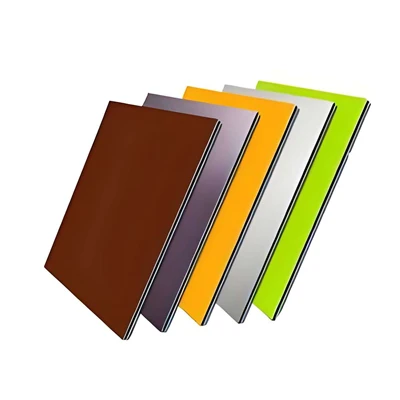
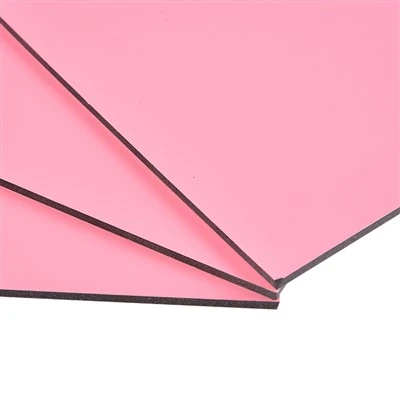
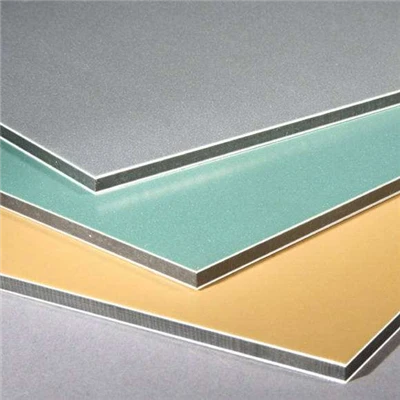
SINGAPORE, July 12, 2026 - The global ACM materials sector is undergoing profound structural transformation this year, shifting from traditional decorative supplies to high-performance, multi-functional composite materials. Driven by upgraded fire safety regulations, green building policies and intelligent manufacturing innovation, ACM (Aluminum Composite Material) materials have achieved wider application in modern construction, transportation and smart infrastructure, sustaining steady global market growth.
ACM materials refer to lightweight composite materials composed of double aluminum skins and customized functional cores, featuring outstanding flatness, weather resistance and structural stability. Compared with conventional building materials, ACM materials deliver unique advantages including low self-weight, easy modular installation, rich surface customization and long service life. In 2026, the industry's product system has been further enriched, covering fire-resistant, antibacterial, antistatic, antifouling and low-carbon environmentally friendly ACM materials, fully adapting to differentiated demands of high-rise buildings, medical facilities, transportation hubs and zero-carbon architectural projects.
Fire safety standard iteration remains the core catalyst for material upgrading. Statistics show that over 62% of global ACM material manufacturers have prioritized the R&D and production of A2-grade fire-resistant products. New mineral-core ACM materials can effectively block flame propagation and reduce smoke density in high-temperature environments, completely meeting updated building codes in Europe, North America and Southeast Asia. High-safety ACM materials have become mandatory cladding materials for public buildings and high-rise facades, replacing traditional low flame-retardant composite materials.
Sustainability has become a core competitive edge for modern ACM materials. With ultra-high aluminum recycling performance and low-emission production technology, upgraded ACM materials reduce comprehensive carbon emissions by nearly 28% compared with traditional decorative materials. More than 55% of newly launched ACM products adopt low-VOC eco-friendly coatings and full-life carbon traceable production systems, supporting construction projects to obtain LEED and BREEAM green building certifications. As global carbon neutrality goals advance, low-carbon ACM materials have become essential materials for urban energy-saving renovation and new green infrastructure construction.
Intelligent manufacturing and technological innovation further boost industry quality upgrade. The integration of Industry 4.0 technology enables real-time quality monitoring, precise cutting and intelligent surface treatment of ACM materials. Digital production lines effectively eliminate panel deformation, color difference and surface defects, greatly improving product stability and batch consistency. Meanwhile, customized functional ACM materials with sound insulation, heat preservation and anti-corrosion properties are gradually applied in smart buildings, new energy industrial parks and high-speed rail auxiliary facilities, continuously expanding industrial application boundaries.
Latest authoritative market data verifies strong industry growth potential. The global ACM materials market value stands at USD 9.14 billion in 2026, maintaining a stable CAGR of 6.2% to 7.6% during the 2026–2036 forecast period. The Asia-Pacific region dominates the global market share due to large-scale urban renewal and infrastructure construction, while European and Middle Eastern markets show rapid growth in demand for high-specification, customized and ultra-safe ACM materials.
Despite positive growth trends, the industry still faces challenges including fluctuating aluminum raw material prices and supply chain volatility. Leading enterprises are actively responding by optimizing raw material allocation, building intelligent inventory systems and strengthening independent R&D of core core materials to stabilize product quality and delivery cycles.
Industry analysts stated that 2026 marks a key turning point for ACM materials transforming from low-end homogenized competition to high-value functional competition. In the future, with the continuous development of prefabricated construction, smart city and zero-carbon building industries, high-performance, green and multi-functional ACM materials will further replace traditional building materials, becoming one of the most promising new composite materials in the global construction sector.