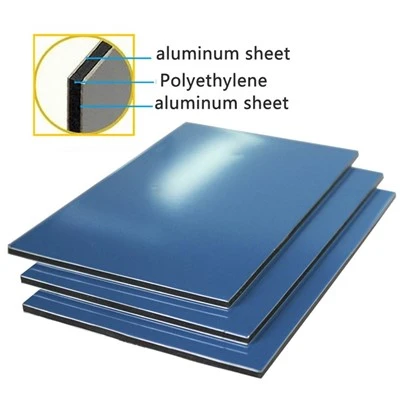
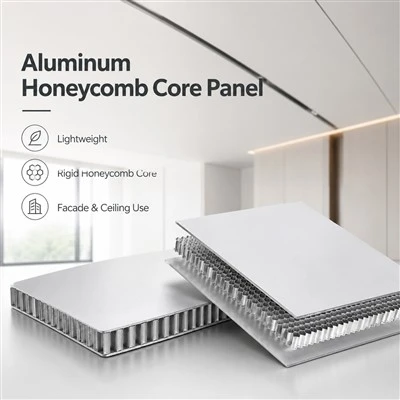
In the modern building materials supply chain, aluminum composite panels exhibit unique logistics characteristics due to their special material properties and processing forms. A deep understanding of these characteristics is crucial for ensuring transportation safety, controlling costs, and guaranteeing finished product quality.
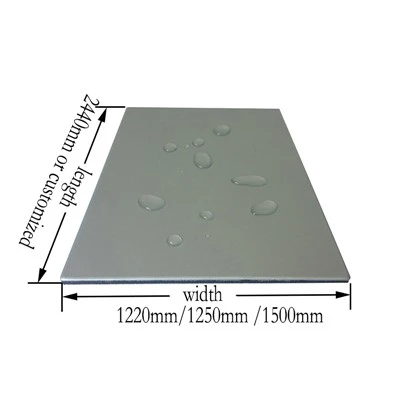
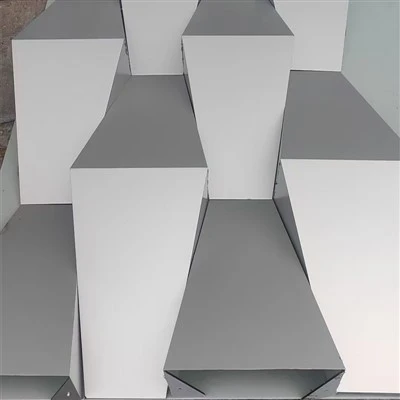
While aluminum composite panels use aluminum alloy as their base material and possess the advantage of being lightweight, their logistics characteristics differ from conventional building materials due to limitations in panel size and surface coating. Firstly, volume and shape are key factors determining transportation solutions. Aluminum composite panels are mostly flat or irregularly shaped with a certain curvature, often exceeding the length and width of ordinary freight units. Therefore, proper arrangement and grouping are necessary before loading to fully utilize the transport vehicle's capacity and reduce empty loads and multiple transshipments. Simultaneously, the fluorocarbon or powder coating on their surface is highly susceptible to scratches or peeling from friction and collisions; therefore, damage prevention must be emphasized during logistics.
Regarding transportation protection, the logistics characteristics of aluminum composite panels manifest in high requirements for packaging and securing methods. Commonly used cushioning materials include pearl cotton, bubble wrap, and scratch-resistant cardboard, with isolation layers placed between panels to prevent contact damage. For large panels, rigid frames or pallets are often used for reinforcement, combined with straps and positioning clamps to limit displacement and prevent slippage and overturning caused by sudden braking or turning. Long-distance transportation also requires consideration of the potential impact of temperature and humidity changes on coating stability, especially in areas with large temperature differences. Insulation and moisture-proof measures should be taken to prevent localized condensation or micro-cracks in the film.
The warehousing process also highlights the unique logistics characteristics of aluminum panels. Finished products should be stored according to project batches, specifications, and installation sequence, maintaining a flat and well-ventilated site, and avoiding mixing with sharp objects or chemicals. The number of stacking layers needs to be calculated based on the thickness and strength of the panels to prevent deformation of the bottom layers under pressure. When leaving the warehouse, the first-in, first-out principle should be followed to reduce the risk of coating aging or contamination caused by prolonged static storage.
Furthermore, the logistics of aluminum panels also involves information traceability and collaborative scheduling. Because curtain wall projects have extremely high requirements for size and color matching, the logistics process requires clear labeling and packing lists to ensure rapid identification and positioning during on-site installation. Cross-regional transportation also requires coordination between loading plans and construction schedules to shorten transit time and reduce the probability of on-site waiting and secondary handling.
Overall, the logistics of aluminum composite panels integrates multiple requirements, including dimensional management, surface protection, environmental adaptability, and information collaboration. Only by developing scientific logistics solutions tailored to the characteristics of its materials and processes can we ensure product integrity while achieving efficient and low-cost supply chain operation, providing strong support for the smooth implementation of construction projects.