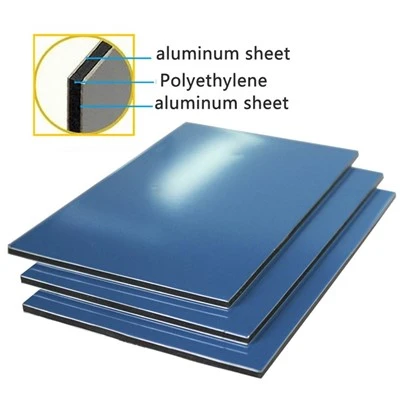
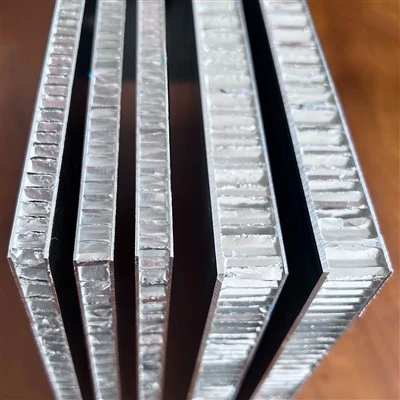
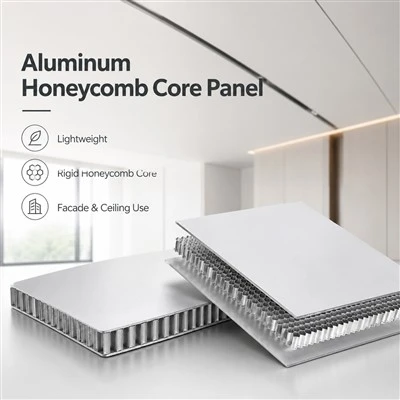
With its combined advantages of being lightweight yet strong, corrosion-resistant, easy to process, and highly decorative, aluminum ceilings play a dual role in modern architectural spaces, serving both structural support and aesthetic creation. Their applications span commercial, public, industrial, and residential sectors, demonstrating high adaptability and functionality.
In commercial spaces, aluminum ceilings are commonly used in shopping malls, supermarkets, specialty stores, and restaurants. Their smooth, clean, or uniquely shaped surfaces create a bright, clean, and brand-oriented shopping and consumption environment. Perforated aluminum ceilings can also regulate sound fields through the perforations, reducing noise and improving customer comfort. Office spaces prefer flat or micro-perforated aluminum ceilings, which satisfy modern minimalist aesthetics while facilitating the concealment of pipes and lighting equipment, maintaining a clean ceiling, and improving work efficiency and space utilization.
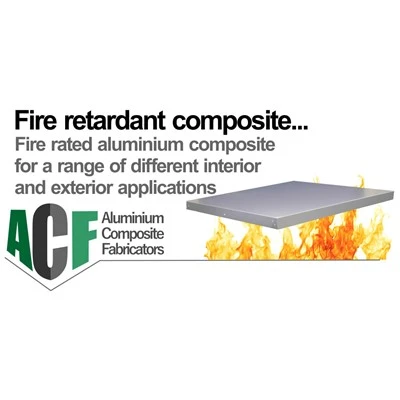
Public buildings place higher demands on the fire resistance, durability, and ease of maintenance of aluminum ceilings. Fire-resistant or antibacterial aluminum ceilings are commonly used in airports, train stations, subway hubs, and hospitals. Fire-resistant aluminum ceilings have a flame-retardant layer on the back of the aluminum panel, improving fire safety; antibacterial aluminum ceilings use a special coating to inhibit bacterial growth, meeting medical and hygiene standards. Meanwhile, shaped aluminum ceilings in cultural venues such as libraries, museums, and theaters can echo the spatial theme with unique three-dimensional forms, enhancing artistic appeal.
In industrial and warehousing environments, the corrosion resistance and easy-to-clean properties of aluminum ceilings are particularly important. Anodized or spray-coated aluminum ceilings are often chosen for factories, laboratories, and cleanrooms to resist oil and chemical corrosion, and are easy to clean and maintain in environments requiring high cleanliness, extending their service life.
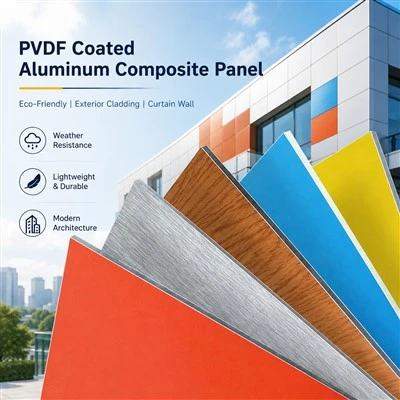
Aluminum ceilings are also gradually being introduced into the residential sector, especially in high-end residences, villas, and fully furnished apartments. Laminated aluminum ceilings can mimic natural textures such as wood and stone grain, combining aesthetics and environmental friendliness, and offering superior moisture and mildew resistance, improving the quality of indoor living.
Overall, aluminum ceilings cover a wide range of applications, from functional needs to aesthetic expression. They can meet the requirements of different spaces for safety, durability, and environmental protection, and can also realize design creativity through diverse forms and surface treatments, making them an indispensable all-rounder in modern building roof systems.