NEW YORK, July 12, 2026 - The global construction and architectural cladding industry is witnessing robust expansion for aluminum composite panel (ACP) products this year, as stringent fire safety codes, rising demand for sustainable building materials, and advanced manufacturing upgrades reshape the global market landscape. Widely recognized for its lightweight structure, exceptional surface stability, and cost-efficiency, ACP has solidified its position as a dominant facade and interior finishing material for modern commercial, municipal, and high-rise building projects worldwide.
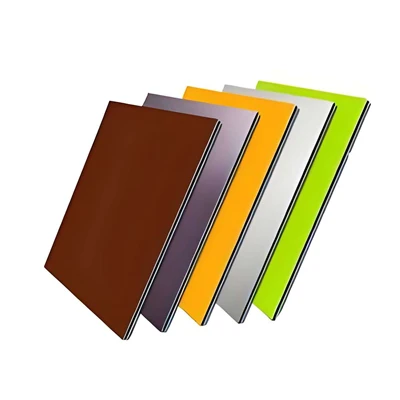
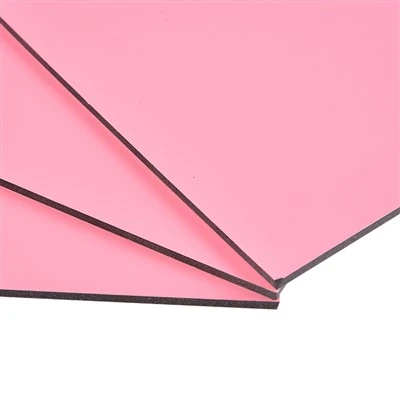
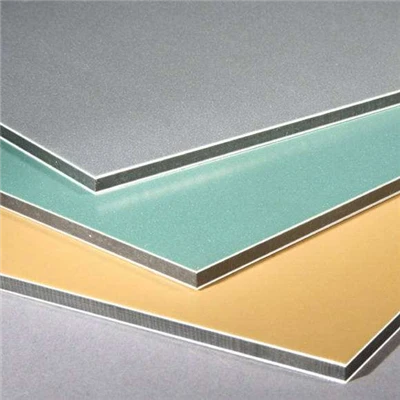
An aluminum composite panel is a premium layered building material consisting of two thin aluminum outer sheets bonded to a durable functional core. Engineered to deliver high rigidity with minimal weight, ACP outperforms traditional stone, solid metal, and wooden cladding in weather resistance, color consistency, and installation flexibility. Its versatile performance supports extensive applications, including building exterior facades, interior wall decoration, commercial signage, transit station renovation, and industrial facility enclosure systems, making it a staple choice for global architectural modernization.
Updated international fire safety regulations stand as the core driver of 2026's ACP market growth. Governments across North America, the European Union, and Southeast Asia have enforced stricter building cladding standards, phasing out conventional PE-core ACP panels in high-rise structures, shopping malls, schools, and public transportation hubs. Fire-rated aluminum composite panels with mineral-filled cores have become the new industry benchmark, featuring effective flame retardancy, low smoke emission, and stable structural performance under high temperatures. Industry reports indicate that fire-safe ACP products now capture over 70% of global engineering procurement orders, marking a full structural upgrade of the industry's product portfolio.
Low-carbon construction policies and circular economy initiatives further fuel ACP market prosperity. As global carbon neutrality targets accelerate, the high recyclability of aluminum materials gives aluminum composite panels a unique environmental advantage. Leading manufacturers have adopted low-VOC PVDF coating technology and full-process energy-saving production lines, launching carbon-traceable ACP products that comply with EU Carbon Neutral Building Product Regulations and LEED certification standards. These eco-friendly upgrades reduce the whole-life carbon footprint of building envelopes by nearly 30%, making ACP a core material for zero-carbon building renovation and new green construction projects.
Digital customization and technological innovation continue to broaden ACP's application boundaries. In 2026, high-precision digital printing, simulated stone and wood grain finishes, anti-fouling, and anti-corrosion surface treatments have been widely applied in high-end architectural projects. Intelligent manufacturing systems realize precise size cutting and consistent surface texture, solving the pain points of single appearance and poor weather durability of traditional decorative panels. Customized ACP solutions are increasingly favored in brand retail stores, luxury hotel renovations, and smart city facade upgrading projects.
Authoritative 2026 market forecast data confirms strong industry growth momentum. The global aluminum composite panel market reached USD 9.35 billion in 2025 and is projected to grow at a CAGR of 7.9% from 2026 to 2033, hitting USD 17.18 billion by 2033. The Asia-Pacific region maintains the largest market share, supported by large-scale urban renewal and infrastructure construction, while the North American and European markets show rapid growth in demand for high-standard fireproof and low-carbon ACP products.
Global supply chain patterns continue to optimize with improving product competitiveness. As a major global production base, modern ACP manufacturers deliver standardized, certified, and highly customizable aluminum composite panels, covering full-size specifications and diverse surface finishes. With stable quality, advanced technological processes, and reliable after-sales service, these products are exported to more than 100 countries and regions, continuously expanding market influence in the global high-end building materials sector.
Industry analysts predict that the aluminum composite panel industry will maintain high-quality growth in the next five years. Market competition will shift from simple price competition to comprehensive competition centered on safety performance, environmental indicators, and innovative customization. Driven by global urbanization, prefabricated construction development, and green building upgrading, high-performance aluminum composite panel (ACP) products will remain irreplaceable core materials for modern architectural decoration and building envelope engineering.