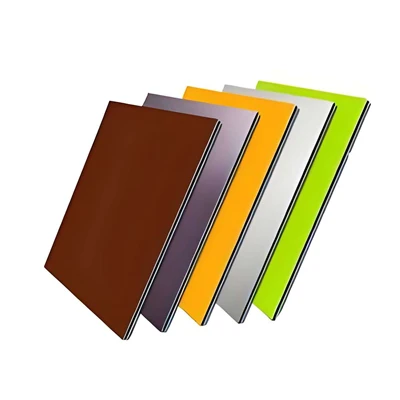
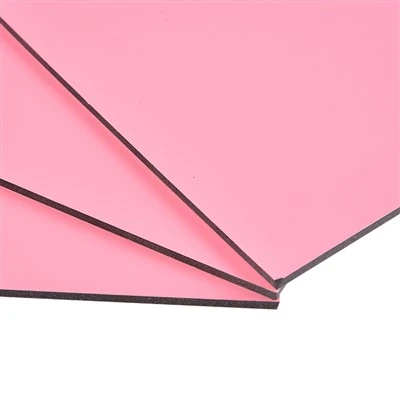
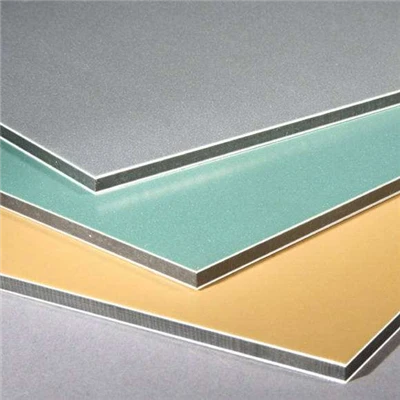
SINGAPORE, July 12, 2026 - The global construction and architectural sectors are witnessing robust uptake of aluminium composite panels (ACPs) this year, as advanced safety upgrades, sustainable manufacturing innovations and booming urban infrastructure development fuel continuous industry expansion. Widely recognised for their lightweight structure, superior durability and versatile aesthetic performance, aluminium composite panels have become a fundamental cladding material for modern commercial buildings, public facilities and prefabricated construction projects worldwide.
Composed of two flat aluminium sheets bonded to a non-aluminium core material, premium aluminium composite panels deliver unique advantages over traditional building materials, including low structural load, excellent weather resistance, easy installation and cost efficiency. In 2026, the industry is undergoing a notable quality transformation, shifting from basic decorative-grade panels to high-performance, fire-safe and fully sustainable composite solutions to meet updated international building codes and green construction standards.
Stricter global fire safety regulations stand as the primary driver for product iteration in the aluminium composite panel market. Following widespread safety standard revisions across Europe, Southeast Asia and Oceania, conventional polyethylene-cored panels are now restricted from high-rise and public building applications. Mineral-core fire-rated aluminium composite panels have emerged as the mainstream product, featuring flame-retardant, heat-insulating and smoke-suppression properties that fully comply with EU and ISO fire safety certifications. Industry reports confirm that fire-grade aluminium composite panels now account for more than 65% of global product shipments, marking a complete shift in market demand structure.
Sustainability requirements further propel the rapid development of the aluminium composite panel industry. As carbon neutrality policies take root globally, the construction sector prioritises low-carbon, recyclable building materials. Aluminium features an ultra-high recycling rate of over 75%, enabling modern aluminium composite panels to achieve significantly lower carbon footprints compared with steel, glass and other decorative materials. Leading manufacturers have implemented full-life cycle carbon traceability systems and adopted low-emission coating and energy-saving production technologies, helping projects obtain LEED and other international green building certifications.
Latest 2026 market forecast data validates the industry's steady growth momentum. The global aluminium composite panel market size is projected to grow at a CAGR of 4.2% to 6.8% from 2026 to 2034, with the total market value expected to surpass USD 9.1 billion in 2026 and reach over USD 12.7 billion by 2034. The Asia-Pacific region maintains its dominant market position, supported by large-scale urban renewal, commercial complex construction and infrastructure modernisation. Meanwhile, European and North American markets show growing demand for customised, high-precision aluminium composite panels for premium architectural projects.
Technological innovation continues to broaden the application boundaries of aluminium composite panels. Beyond traditional exterior wall cladding and interior decoration, newly developed intelligent and functional aluminium composite panels are gaining popularity. Upgraded products with anti-fouling, sound-insulating, heat-preserving and IoT-embedded monitoring functions are widely applied in smart buildings, new energy industrial parks and transportation hub construction. In addition, digital surface treatment technologies, including matte, metallic and wood-grain finishes, enrich architectural design possibilities, making aluminium composite panels the preferred choice for contemporary urban facade renovation.
Global supply chain patterns are also optimising in 2026. Asian manufacturers continue to lead global production capacity with mature manufacturing processes, complete certification systems and flexible customisation services. High-quality aluminium composite panel products are exported to more than 100 countries and regions, effectively meeting the differentiated demand of global construction markets. With improved product stability and environmental performance, made-in-Asia aluminium composite panel brands are steadily enhancing their international market influence.
Industry analysts remain optimistic about the long-term prospects of the aluminium composite panel sector. They pointed out that future market competition will focus on environmental performance, safety standards and functional innovation rather than low-price competition. Driven by global urbanisation, green building promotion and continuous material technology upgrades, aluminium composite panels will sustain stable market growth and remain an indispensable core material for global modern architectural development in the next decade.