DUBAI, July 12, 2026 - The global construction sector is embracing a new wave of material upgrading, with aluminium composite board emerging as a core high-performance building material this year. Driven by updated fire safety regulations, booming modular construction projects, and low-carbon transformation across the industry, the aluminium composite board market continues to expand steadily, while product iteration and intelligent manufacturing reshape the competitive landscape.
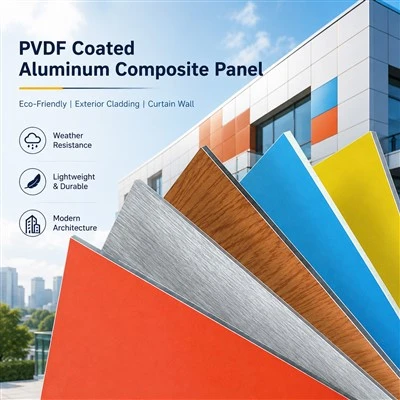
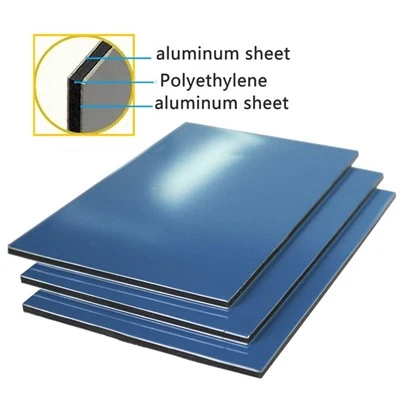
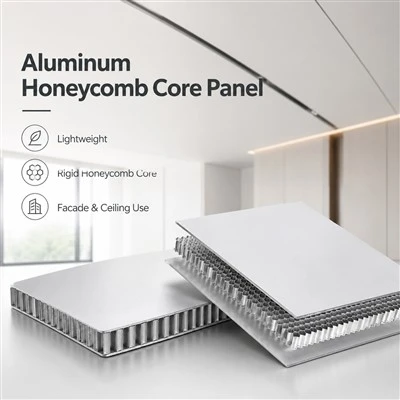
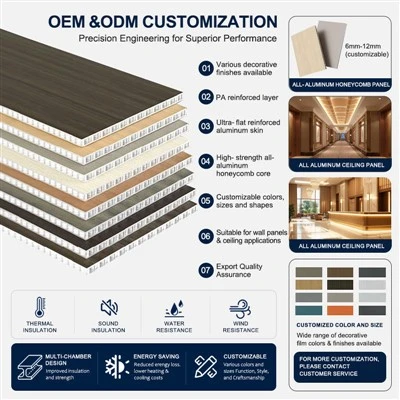
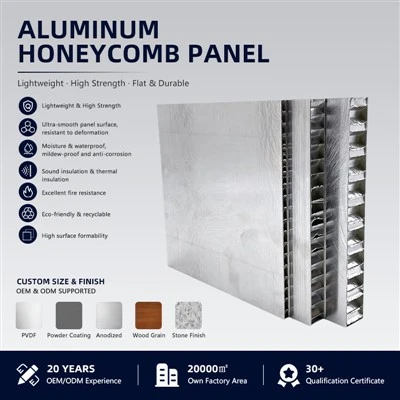
Aluminium composite boards are widely recognised for their unique structural advantages, including ultra-light weight, high flatness, strong weather resistance, and convenient installation. Consisting of double-layer aluminium sheets and a functional core material, these boards perfectly balance mechanical stability and aesthetic versatility, making them ideal for building exterior cladding, interior decoration, commercial signage, and infrastructure renovation. Compared with traditional steel plates, solid aluminium panels and cement boards, aluminium composite boards reduce building load effectively and cut overall construction costs, supporting the rapid development of modern lightweight architecture.
Stricter global building safety standards are the primary catalyst for market expansion. In 2026, governments across Europe, Asia and the Middle East have fully implemented upgraded fire protection codes for high-rise buildings, public schools, medical facilities and commercial complexes. Traditional ordinary composite boards are gradually phased out in key projects, while A2-grade fire-resistant aluminium composite boards have become mandatory mainstream materials. Industry data shows that global procurement volume of fire-rated aluminium composite boards surged 43% year-on-year in the first half of 2026, with public infrastructure and commercial construction sectors accounting for over 85% of total demand.
The global push for green and low-carbon construction further fuels the popularity of aluminium composite boards. As one of the most recyclable architectural materials, aluminium features a recycling rate exceeding 75%, enabling eco-friendly aluminium composite boards to achieve far lower carbon emissions than conventional decorative materials. Leading manufacturers have adopted low-emission coating technology and full-cycle energy-saving production processes, launching carbon-traceable composite board products that fully comply with EU Carbon Neutral Building Product Regulations and LEED green building certification requirements. These sustainable attributes make the boards a preferred option for zero-carbon building projects worldwide.
Intelligent manufacturing upgrades greatly improve product quality and supply efficiency. In 2026, leading production bases worldwide have launched smart automated production lines, applying robotic processing and precise laser separation technology. The new manufacturing system shortens the custom order delivery cycle significantly, while improving the flatness, surface uniformity and overall durability of aluminium composite boards. Digital surface treatment technologies, including metallic finish, matte texture, anti-fouling and anti-corrosion coatings, further enrich product diversity to meet personalised design demands for high-end architectural projects.
Latest industry market forecasts confirm strong growth potential. The global aluminium composite board market size is estimated to reach USD 9.14 billion in 2026, with a steady CAGR of over 6.2% from 2026 to 2031, and is projected to exceed USD 12.3 billion by 2031. The Asia-Pacific region remains the largest consumer market, supported by large-scale urban renewal and infrastructure construction, while the Middle East and European markets show growing demand for high-standard fireproof and low-carbon aluminium composite boards.
Global supply chain competitiveness continues to improve. Top manufacturers have formed mature quality control and certification systems, with their products exported to more than 100 countries and regions. With stable performance, cost advantages and flexible customisation services, high-quality aluminium composite board products are widely applied in global landmark construction projects, continuously enhancing the international influence of the industry.
Industry analysts pointed out that the aluminium composite board industry has entered an era of high-quality development driven by safety, environmental protection and intelligence. In the future, with the continuous development of prefabricated buildings, smart cities and new energy infrastructure, high-performance, green and customised aluminium composite boards will maintain sustained market growth, becoming an essential building material for global modern construction upgrading.