Innovation and Compliance Drive Growth in Aluminum Composite Panel Manufacturing for Exterior Wall Cladding
April 23, 2026 – The global manufacturing sector for aluminum composite panels (ACP) dedicated to exterior wall cladding is experiencing robust growth, driven by surging demand for durable, aesthetically versatile, and fire-safe building materials. As urbanization accelerates worldwide and architectural trends lean toward modern, energy-efficient facades, ACP manufacturers are prioritizing technological advancements, regulatory compliance, and sustainable production to meet the evolving needs of the construction industry.
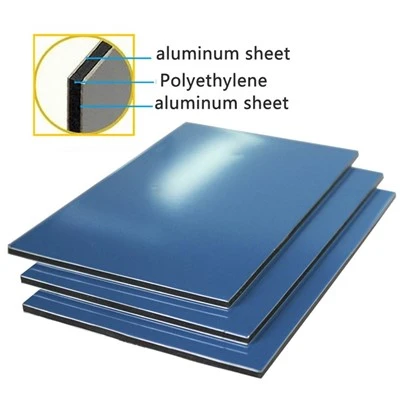
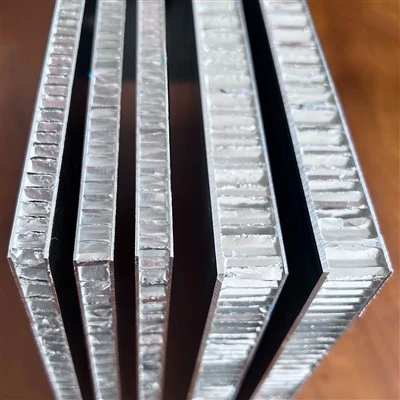
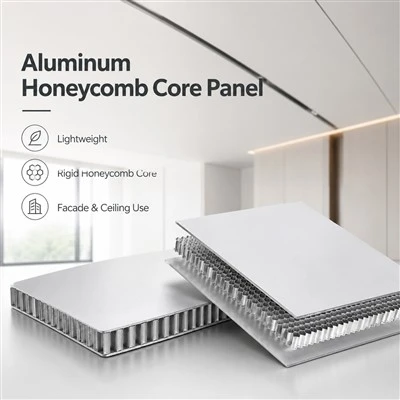
Aluminum composite panels have become a cornerstone of exterior wall cladding in commercial, residential, and public infrastructure projects, thanks to their unique combination of light weight, weather resistance, and design flexibility. Unlike traditional cladding materials such as brick or stone, ACP-composed of two aluminum sheets bonded to a core material-reduces structural load by 20% to 30% while offering superior durability against UV radiation, extreme temperatures, and corrosion, making it ideal for diverse climatic conditions worldwide.
Market data from Global Growth Insights reveals that the global ACP market is projected to grow at a compound annual growth rate (CAGR) of 5.55% from 2026 to 2035, reaching $127.9 billion by 2035, with exterior wall cladding accounting for over 64% of total ACP consumption. A key driver of this growth is the increasing adoption of fire-retardant ACP variants, which now account for nearly 49% of new installations globally, as stricter fire safety regulations come into effect following high-profile incidents linked to flammable PE-core ACPs.
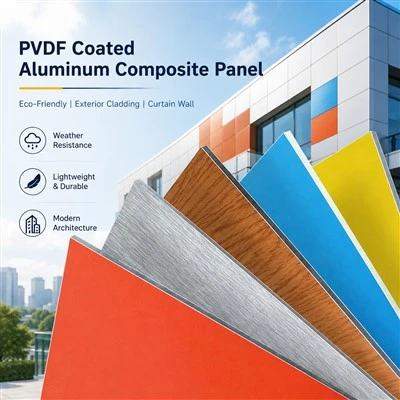
Leading ACP manufacturers are responding to regulatory demands by investing in fire-safe core materials and advanced coating technologies. Fire-retardant ACPs are categorized into B1 (flame-retardant, self-extinguishing when the fire source is removed) and A2 (non-combustible) grades, with A2 variants becoming the standard for high-rise buildings, airports, and public transportation hubs where safety requirements are most stringent. Additionally, manufacturers are widely adopting PVDF (polyvinylidene fluoride) coatings, which enhance weather durability and UV resistance, with nearly 60% of PVDF-coated ACPs used in high-rise exterior cladding.
Sustainability has also emerged as a critical focus for ACP manufacturers. With growing global emphasis on green building practices, producers are integrating recycled aluminum into their panels-targeting recycled content above 50%-and developing low-emission production lines. Over 32% more sustainable ACP production units were established in 2024 compared to the previous year, as manufacturers aim to reduce the carbon footprint associated with aluminum production, which accounts for approximately 2% of global CO₂ emissions. Innovations such as nano-coatings are further enhancing sustainability by adding self-cleaning properties, reducing maintenance needs and environmental impact.
Regional dynamics play a significant role in the ACP manufacturing landscape. Asia-Pacific leads the global market with a 41% share, driven by booming construction activities in China, India, and Southeast Asia, where urbanization rates are among the highest in the world. Top exporting countries, including China and India, are ramping up production capacity-estimated at over 1.5 billion square meters annually globally-to meet surging demand in both domestic and international markets. Meanwhile, in North America and Europe, manufacturers are focusing on compliance with regional standards such as ASTM E84, NFPA 285 (U.S.) and EN 13501-1 (Europe), which govern fire performance and material safety.
Despite strong growth, the ACP manufacturing industry faces key challenges, including raw material price volatility and competition from alternative cladding materials like fiber cement boards and vinyl wall cladding, which are often perceived as more cost-effective in price-sensitive markets. Additionally, recycling challenges due to mixed core compositions remain a concern, with nearly 43% of construction firms reporting difficulties in recycling ACP materials.
Industry leaders remain optimistic, however, as innovation continues to expand the application scope of exterior wall cladding ACP. Digital printing technologies now allow for customized finishes, from wood and marble textures to branded designs, capturing 20% to 25% of premium orders. Major manufacturers, including 3A Composites, Alucobond, and Viva ACP, are also launching new product lines focused on energy efficiency, with ACP systems capable of reducing cooling loads by 10% to 15% in hot climates.
As the construction industry continues to prioritize safety, sustainability, and aesthetics, ACP manufacturers for exterior wall cladding are well-positioned to capitalize on growing market opportunities. By balancing regulatory compliance, technological innovation, and environmental responsibility, the sector is poised to maintain its upward growth trajectory in the coming decade.