How to become an aluminum composite panel (ACP / ACM) manufacturer & supplier
Two routes: start full factory manufacturing (big capital) OR first act as branded supplier / OEM trader + outsource production (lower risk, good for export first)
1. First, decide your business model
Option A: Full manufacturer (make panels yourself)
Best if you want full control over quality, specs, fire grades, PVDF coating, and export certificates. High CAPEX.
One standard continuous ACP extrusion-lamination line (1220–1500mm width, PE / B1 fire core): USD 300k–800k
High-speed A2 mineral core line: USD 600k–1.5M+
Factory space: ~70–120m long workshop, 3-phase heavy power (300–800kW), raw material yard, finished warehouse, QC lab
Capacity reference: One normal line ≈ 400,000–800,000 m² per year
Option B: Supplier / Brand owner (trader + OEM factory partner)
Recommended entry path for new exporters (you are still called "manufacturer supplier" on B2B platforms, as long as you control specs, QC, branding and testing).
You source pre-coated aluminum coils, define skin thickness, core grade (PE / B1 / A2), coating type (PVDF / Polyester), RAL colors
Place orders with existing qualified ACP factories, do pre-production confirmation, SGS/BV inspection, brand packaging, export docs
Low startup money, faster market entry; you focus on sales, certification and customer engineering support
2. Core raw material supply chain (critical for quality)
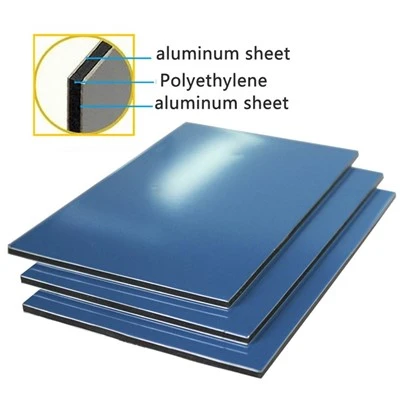
Pre-painted aluminum coil (alloy 1100 / 3003 most common): skin thickness 0.15 / 0.20 / 0.30 / 0.40 / 0.50 mm
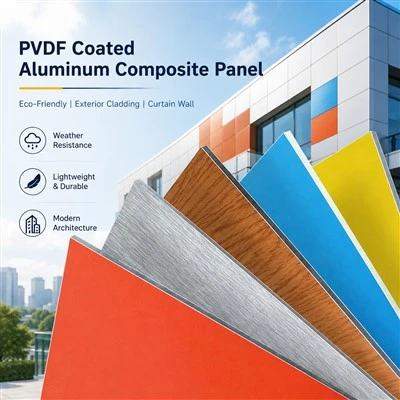
PVDF (Kynar 500 / Hylar): exterior facade, long warranty
Polyester (PE coating): interior, signage
Core material
Normal PE core: cheap, signage, interior
B1 flame retardant mineral-filled core: commercial exterior cladding
A2 non-combustible mineral core: high-rise building projects (strict fire codes)
Grafted PE adhesive resin (the most common failure point: bad adhesive → delamination)
PE protective film, color masterbatch, additives, edge seal tape
3. Production workflow (for in-house line)
Aluminum coil unwinding + surface cleaning / corona treatment
Twin-screw extruder melts core material + adhesive
Continuous hot lamination: molten core sandwiched between two aluminum skins under controlled temperature & pressure
Cooling, traction, online thickness & flatness check
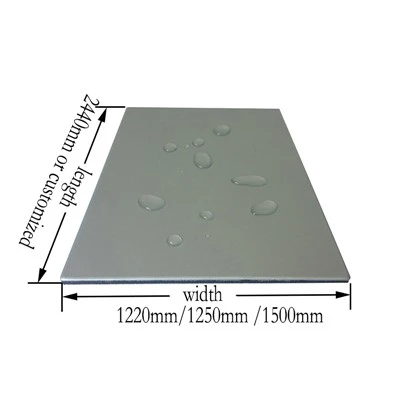
Cut to standard sheet size (4×8ft, 1220×2440mm, custom lengths)
Film covering, stacking, inspection, packaging
4. Must-have certifications (depends on export markets)
This is what separates a real qualified supplier from a small workshop:
ISO 9001 (quality management, basic requirement)
Fire test certificates:
EU: EN 13501-1 (B-s1,d0 / A2-s1,d0)
USA: ASTM E84, NFPA, AAMA 2605 for PVDF coating
China: GB/T 17748
Mechanical test: climbing drum peel strength, flexural strength, impact test (SGS report)
Salt spray test for coastal projects
CE marking for EU construction products
For big project buyers: factory audit report, raw material COA, batch test records, warranty document
5. QC system you need (buyers always ask)
Incoming inspection: aluminum coil coating thickness, alloy certificate, core MFI, adhesive batch test
Online production: panel thickness tolerance, flatness, lamination temperature log
Finished panel test: peel strength, cross-hatch adhesion, color difference, dent / wave check
Pre-shipment inspection (PSI) for export orders
Keep TDS (technical data sheet) for every product series, exactly like your earlier 1/4" ACM sheet
6. Sales & supplier development (B2B export)
Your main customer groups:
Building contractors, facade installers, sign companies, distributors, importers, project developers Channels:
Alibaba, Made-in-China, independent Google SEO website (ACP Sheet, ACM Panel, Dibond, fire rated ACP keywords)
Attend building material shows: Big 5 Dubai, Canton Fair, regional construction exhibitions
Prepare samples: color swatches, 4mm / 6mm panels, fire sample blocks, test reports pack
Prepare standard offer package: spec sheet, MOQ, lead time, payment terms (T/T, L/C), packing, loading calculation, warranty
7. Common traps new ACP suppliers fall into
Mixing recycled PE core without declaring → delamination claims and fire test failure
Thin aluminum skin labeled as thick (e.g. sell 0.15mm skin as 0.3mm)
Use polyester coating and sell it as PVDF (fading in 2–3 years outdoors)
Skip edge sealing: water wicks inside, peels off after rain
Ignore local fire codes: many countries ban pure PE core for high-rise facades
8. Startup roadmap suggestion (low-risk sequence)
Learn specs: skin gauge, core types, coating standards, fire classes, local import rules of your target countries
Build cooperation with 2–3 stable ACP factories, audit their QC and certificates
Register your brand (like your ALULOYAL), build independent site + B2B store
Collect test reports, make TDS, sample kits, quotation templates
Start with export trading / OEM supply, accumulate orders and cash flow
Invest in your own production line only after you have stable, repeat big orders