How to Connect / Install Aluminum Composite Panel (ACP / ACM)
There are 4 mainstream connection methods for ACP, widely used for facades, sign boxes, curved cladding, cassettes. I'll separate them for sharp folded cassette panels (routed & bent ACP) and flat panel jointing on subframe, plus pros, cons and typical export customer notes you can add into your TDS.
Pre-note: Always reserve thermal expansion gap. Aluminum expands with heat; skipping gaps causes buckling, delamination or cracking.
Expansion rule: 3 mm gap per 1 m panel length for exterior PVDF ACP.
1. Wet Seal / Caulk Joint (Face Seal, most common simple facade)
How it works:
1. Mount ACP panels on aluminum keel / steel subframe, leave consistent joint gap (usually 8–12 mm).
2. Put closed-cell PE backer rod into the gap first (controls caulk depth, prevents 3-sided adhesion).
3. Apply neutral silicone weather sealant (must be structural / weatherproof silicone; acid silicone will corrode aluminum skin).
4. Smooth the sealant, let cure fully.
✅ Pros: Low cost, water tight, easy on-site
❌ Cons: Sealant ages (5–10 years), dirt sticks to silicone; visible black/gray lines; not preferred for high-end modern facades
Best for: Low-rise cladding, small projects, renovation
2. Dry Open Joint / Rainscreen System (Hidden Fix, premium facade, very popular in EU / Middle East)
No silicone on face. It is rainscreen drainage design.
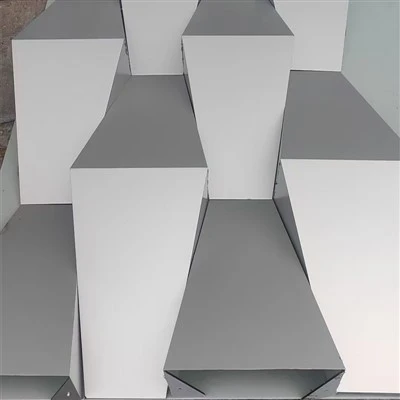
1. ACP cassettes (routed-folded ACP with bent return flanges) are hooked or screwed onto aluminum brackets.
2. Panels have 10–20 mm open joint between them.
3. Behind the joint is waterproof backing membrane + air cavity for drainage and ventilation.
4. Fasteners are fully hidden, no visible screws on panel surface.
✅ Pros: Clean look, no aging sealant, better thermal movement tolerance, long service life, the standard for high-rise A2 fire-rated facades
❌ Cons: Higher cost for aluminum brackets, precise fabrication required
Best for: Commercial building facades, Big 5 type projects
3. Visible Fastener Connection (Screw / Rivet Fix, signage + simple wall)
Two versions:
• Self-drilling aluminum screws with EPDM rubber washers
• Blind pop rivets (aluminum rivets, not steel)
Steps:
1. Pre-drill holes on ACP return flange or through panel face.
Important: Drill hole 2–3 mm larger than screw shank, to allow thermal sliding. Never tight lock the screw!
2. Add rubber washer to seal and isolate metal contact (avoid galvanic corrosion between different metals).
3. Fasten to metal subframe.
4. Optional: Snap-on aluminum cover cap to hide screw head.
✅ Pros: Fast, cheap, simple for sign boxes, kiosks, small decorative walls
❌ Cons: Screws visible if no cap; risk of water entry if washer fails
Best for: Signage, advertising panels, interior cladding, temporary structures
⚠️ Never use steel rivets directly touching aluminum: galvanic corrosion will stain ACP.
4. Adhesive Bonding (Glue-on method, interior mostly)
Bond ACP flat onto solid substrate: cement board, aluminum sheet, plywood.
1. Clean ACP back skin and substrate, degrease.
2. Use structural PU adhesive or double-sided structural acrylic foam tape (not normal foam tape).
3. Add mechanical spot fasteners as backup (glue alone is not approved for exterior facade by most building codes).
4. Apply spacer beads, press evenly, tape to hold while curing.
✅ Pros: Zero visible fixings, very clean interior finish
❌ Cons: Hard to remove; glue failure risk outdoors; sensitive to dust / oil on back skin
Best for: Interior walls, shop fit-outs, exhibition booths
Joining folded ACP boxes / sign cassettes (after V-groove bending)
When you bend ACP into a box, connect the mitered corners by:
1. Aluminum angle inside corner + rivets / screws
2. Structural glue + corner gusset
3. Exterior corner trim (U-channel / L aluminum extrusion cover) to hide the seam
Matching trims (accessories you can sell together with your ACP)
• U-channel: edge cap for raw ACP edges
• L-angle trim: external / internal corner cover
• H-joint extrusion: snap-on dry joint divider
• J-trim: end finishing trim
Critical common rules you can put in your supplier guide
1. Isolate dissimilar metals: use EPDM gaskets between ACP and carbon steel to stop galvanic corrosion.
2. Pre-drill oversize holes for all mechanical fixing, do not over-torque screws.
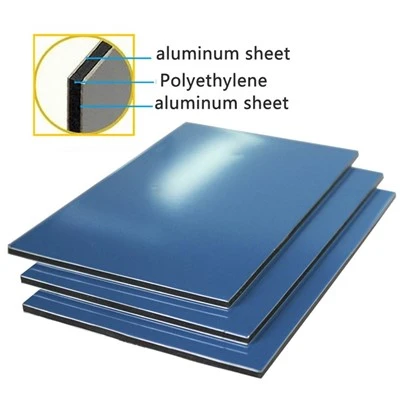
3. Pure PE core ACP is easier to fix; A2 mineral core is brittle near holes, easy to crack if over tightened.
4. PVDF coating surface: do not let silicone smear on it; masking tape before caulking.
5. If customers want curved ACP panels: dry rainscreen hidden bracket connection is preferred, avoid face screws on curved surfaces.
Quick comparison table
| Method | Visible | Waterproof | Best use |
|---|---|---|---|
| Silicone wet joint | Yes (seal line) | Good | Low-rise facade, budget |
| Dry rainscreen hidden | No | Excellent (drainage) | High-rise, premium facade |
| Rivet / screw with cap | Optional | Fair | Signs, simple cladding |
| Structural adhesive | No | Poor outdoor | Interior decoration |