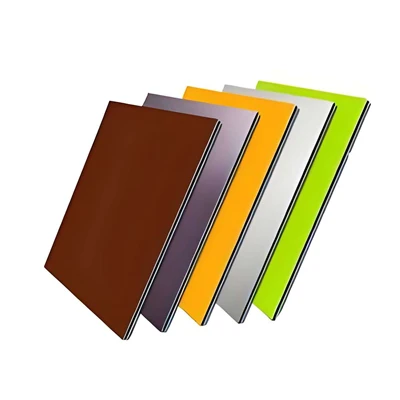
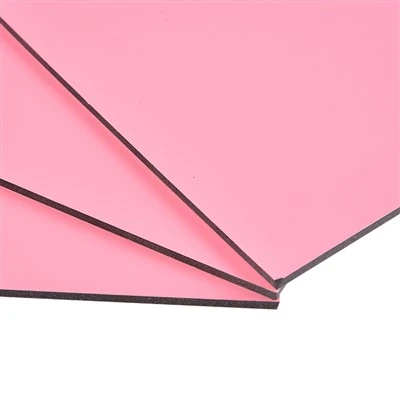
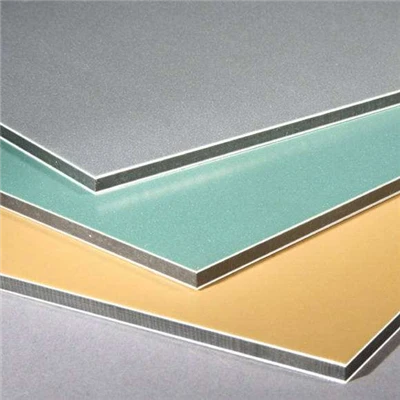
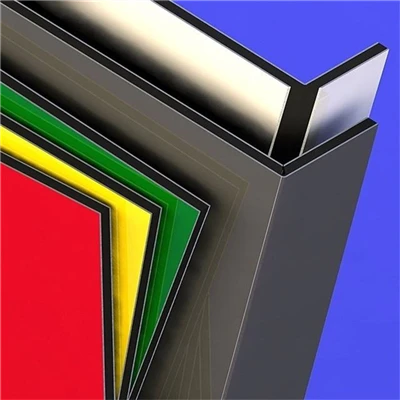
In the field of modern architectural decoration, aluminum single-layer panels have become an important material for curtain walls and interior and exterior decoration due to their advantages such as lightweight, high strength, corrosion resistance, and flexible shapes. Their performance is closely related to processing and application methods, and scientific and standardized processes are the core of ensuring quality.
The processing of aluminum single-layer panels begins with the selection of the substrate, typically using high-quality aluminum alloy sheets, which are then CNC cut to achieve precise dimensional control. After cutting, CNC bending processes are used to shape the required curvature or edges. This step requires high precision equipment and operator experience, directly affecting the fit of the formed parts. Surface treatment is a key process, with common processes including fluorocarbon spraying, powder coating, and anodizing: fluorocarbon spraying forms a dense, weather-resistant coating, suitable for harsh outdoor environments; powder coating offers rich colors and excellent environmental friendliness, and is often used in indoor settings; anodizing enhances surface hardness and metallic texture. Each process requires strict control of parameters, such as spraying temperature, curing time, and film thickness testing, to ensure coating uniformity and adhesion meet standards.
Installation methods need to be flexibly designed based on the actual project requirements. Dry-hanging is the mainstream process, fixing aluminum panels to the base layer through a keel system. It features detachability and easy maintenance, making it suitable for high-rise building curtain walls. Adhesive bonding is mostly used for small-area interior decoration, requiring the selection of suitable adhesives and control of the base layer's flatness to prevent hollow areas and detachment. During construction, attention must be paid to panel joint treatment, using sealant or metal strips to seal the edges, balancing waterproofing and aesthetics. Furthermore, protection is necessary during transportation and storage to prevent scratches or deformation, which could affect the final appearance.
With the deepening of green building concepts, the application methods of aluminum panels are also extending towards low-carbon solutions. For example, optimized layout reduces waste rates, and the use of recyclable coating materials reduces resource consumption and aligns with sustainable development needs. In the future, with continuous iteration of processing technology and installation processes, aluminum panels will demonstrate their performance advantages in more scenarios, providing reliable support for the unity of architectural aesthetics and functional value.