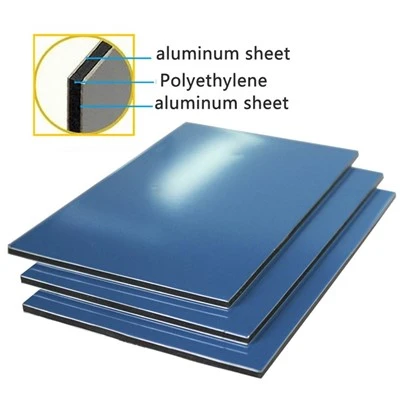
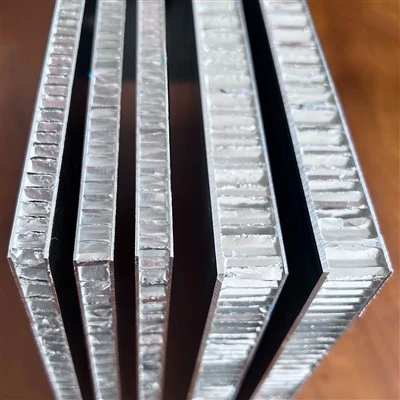
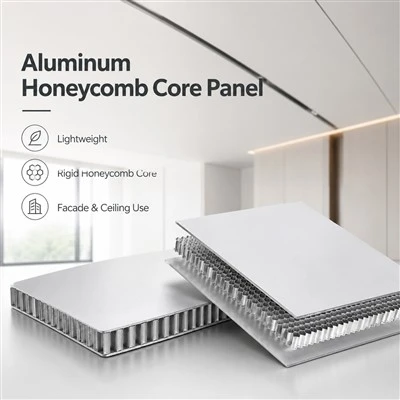
As an important carrier of modern architectural decoration, aluminum single-layer panels, with their unique material characteristics and comprehensive performance, continue to release value in curtain walls, interior and exterior decoration, and other scenarios, becoming a key element driving industry upgrades. Their value is not only reflected in breakthroughs in physical performance but also extends to multiple dimensions such as aesthetic expression, long-term application, and sustainable development.
From the perspective of material essence, the core value of aluminum single-layer panels is primarily their superior performance. Using aluminum alloy as the base material, after processing, it combines lightweight and high strength, significantly reducing building loads and providing greater flexibility for high-rise curtain wall structural design. The naturally formed oxide film and artificially reinforced coatings (such as fluorocarbon paint) endow it with excellent corrosion resistance, resisting acid rain, salt spray, and ultraviolet radiation, significantly extending its service life and reducing later maintenance costs. This "low investment, long return" characteristic makes aluminum single-layer panels the first choice for public buildings, transportation hubs, and other scenarios with stringent durability requirements.
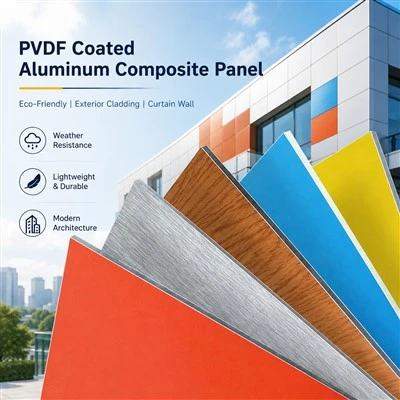
The integration of aesthetic and economic value further expands the application boundaries of aluminum single-layer panels. Its surface can be richly decorated with colors, textures, and shapes through processes such as spraying, lamination, and engraving-from the natural texture of imitation stone to the modern rhythm of geometric cuts, echoing regional cultural characteristics while showcasing avant-garde design language. Simultaneously, standardized production and modular installation shorten the construction cycle, and its recyclable and reusable environmental attributes reduce overall project costs and align with green building evaluation standards, providing dual support for project value enhancement.
In the context of sustainable development, the value of aluminum panels becomes even more profound. Aluminum itself has a high recyclability rate, with minimal performance loss during recycling, meeting the resource efficiency requirements under the "dual carbon" target. Its indirect contribution to building energy conservation is also significant: through reflective heat-insulating coatings or composite insulation layer designs, it can help regulate building thermal performance, reduce air conditioning load, and indirectly reduce carbon emissions.
In conclusion, aluminum panels have transcended their role as a mere decorative material, becoming a crucial link connecting function, aesthetics, and ecology. With technological iteration and application innovation, its value spectrum will continue to expand, injecting lasting momentum into the quality improvement and green development of the construction industry.