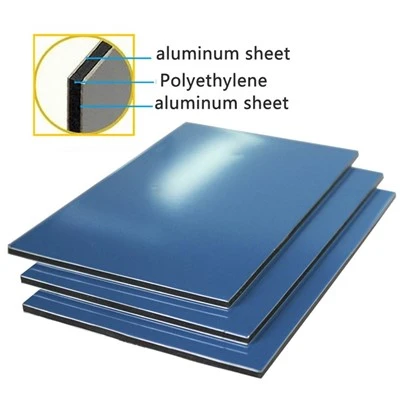
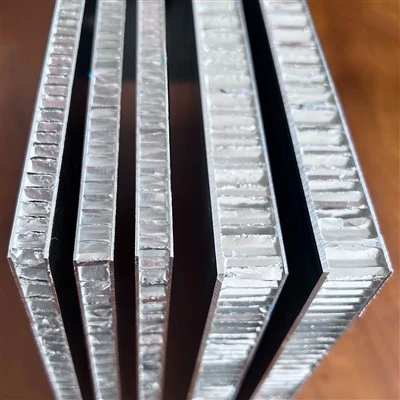
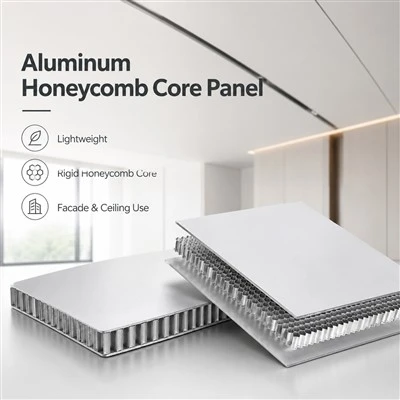
As a crucial material in modern architectural decoration, aluminum single-layer panels, with their comprehensive advantages of being lightweight yet strong, flexible in design, durable, and environmentally friendly, have expanded their applications from traditional curtain walls to diverse scenarios, becoming a key medium connecting design creativity and engineering practice.
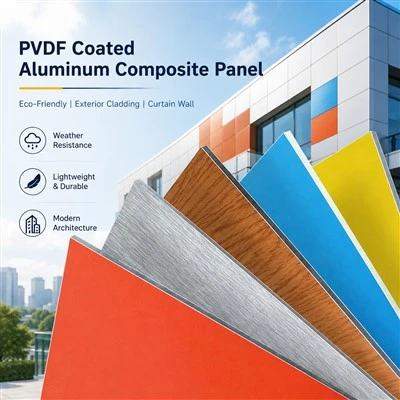
In the public building sector, aluminum single-layer panels are the mainstay of large venues and facade decoration. Transportation hubs such as airport terminals and high-speed rail stations, requiring both transparent views and wind pressure resistance, often utilize large-area flat or strip aluminum single-layer panels to construct curtain wall systems. This reduces structural load and provides protection from sun and rain through a fluorocarbon coating. Cultural venues such as museums and theaters tend to favor irregularly shaped aluminum single-layer panels, utilizing their bendable and perforated characteristics to create artistically dynamic facade forms that echo the spatial theme.
In commercial complexes and high-end office buildings, the application of aluminum single-layer panels emphasizes a balance between function and aesthetics. Its modular installation characteristics shorten construction time and adapt to fast-paced development needs; the surface can be customized with metallic textures, stone-like patterns, or gradient colors to enhance building recognizability. Some projects combine aluminum composite panels with thermal insulation core materials, simultaneously achieving decoration and energy-saving insulation, aligning with green building standards.
In the field of interior decoration, the application scope of aluminum composite panels is continuously expanding. They can be seen in the curved ceilings of hotel lobbies, artistic partitions in shopping malls, and wall designs in office spaces. Compared to traditional gypsum board or wood, aluminum composite panels are moisture-proof, fire-resistant, and less prone to deformation, making them particularly suitable for high-humidity areas such as bathrooms, kitchens, or high-traffic public areas. Furthermore, the dynamic visual effects created by light and shadow projection through perforated aluminum composite panels have become a creative highlight in interior design.
Aluminum composite panels also demonstrate unique value in special scenarios. In coastal areas, anodized aluminum panels resistant to salt spray corrosion are used in buildings to extend their service life; in cold regions, aluminum panel curtain walls with composite insulation layers reduce indoor heat loss; and even in urban renewal projects, aluminum panels, due to their easy disassembly and recyclability, are used in the renovation and refurbishment of historical buildings, balancing preservation and functional upgrades.
From macro-level facades to micro-level interior details, from conventional buildings to special environments, the application scope of aluminum panels continues to expand with technological advancements, consistently providing more efficient and sustainable solutions for architectural decoration.