As the first interface between a building and its external environment, the choice of materials and technological innovation in building skin profoundly influences the building's safety, functionality, aesthetic expression, and ecological sustainability.With the iteration of architectural concepts and breakthroughs in materials science, modern building skin has evolved from traditional enclosure structures into a composite system integrating structural support, energy management, environmental response, and humanistic narrative. Its innovative evolution and multidimensional value are reshaping the morphological logic and construction paradigm of contemporary architecture.
Traditional building skins primarily use natural materials such as stone, brick, and wood. Their substantial texture and regional characteristics carry the memory of historical context. However, limitations in material strength, processing energy consumption, and durability make it difficult to meet the demands of modern architecture for large spans, lightweight construction, and complex shapes. Following the Industrial Revolution, the widespread use of steel, glass, and concrete initiated the industrialization of building facade materials. The combination of steel frames and glass curtain walls broke through the enclosed nature of brick and stone buildings, reshaping the visual language of urban skylines with transparency and lightness. However, it also prompted reflection due to problems such as insufficient thermal performance, light pollution, and excessive energy consumption. The core contradiction of this stage lay in the imbalance between the limited performance of materials and the multifunctional needs of buildings, driving the industry to explore "lightweight, high-strength, and functionally composite" materials.
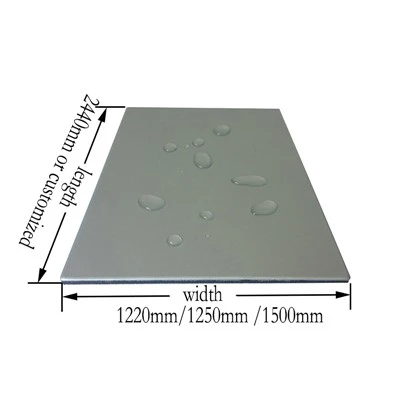
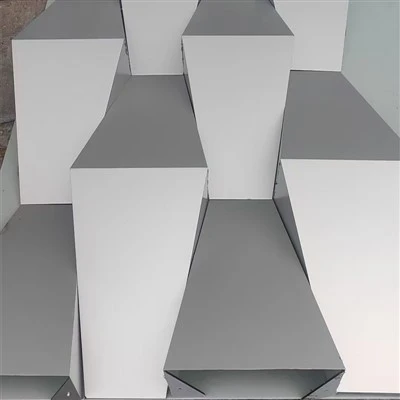
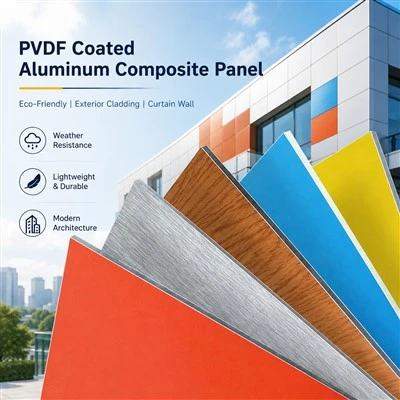
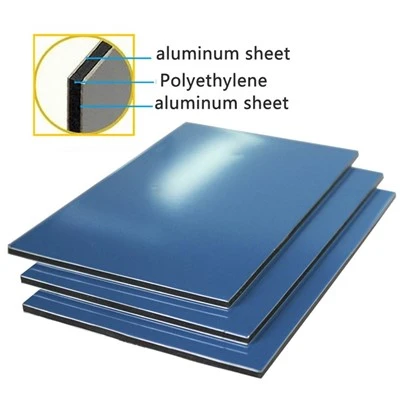
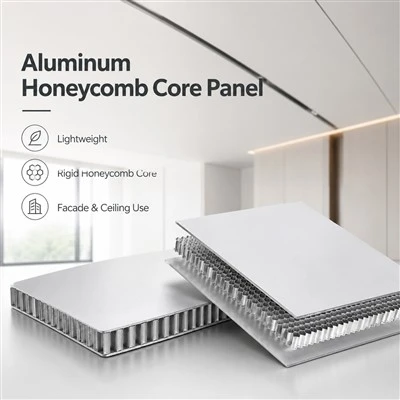
From the late 20th century to the present, breakthroughs in materials science and the integration of interdisciplinary technologies have spurred a revolutionary evolution in building facade materials, characterized by a triple leap in compositeness, functionality, and intelligence. In terms of composite materials, metal-based composite panels such as aluminum-plastic composite panels, aluminum single panels, and aluminum honeycomb panels achieve a synergy of lightweight and high strength through a layered structure of "metal panel + polymer core/honeycomb structure." The aluminum alloy panel provides rigidity and weather resistance, while the polymer core or honeycomb structure reduces weight and optimizes thermal and sound insulation performance. Surface coating technologies (such as fluorocarbon spraying and nano self-cleaning coatings) endow them with rich color options and long-lasting protective capabilities. These materials not only solve the problems of excessive weight and limited design of traditional metal panels but also adapt to the needs of complex curtain walls and irregularly shaped facades through modular processing.
Functional evolution is driving the skin from "passive enclosure" to "active empowerment." The emergence of new materials such as photovoltaic glass, ETFE membranes, and phase change energy storage panels has transformed building facades into interfaces for capturing renewable energy and hubs for regulating building energy consumption. Photovoltaic glass converts solar radiation into electricity through photoelectric conversion; ETFE membranes reduce lighting and cleaning energy consumption due to their lightweight, light-transmitting, and self-cleaning properties; and phase change energy storage panels absorb or release heat through material phase change processes, mitigating indoor temperature fluctuations. These integrated designs significantly improve building energy efficiency, transforming the facade from an "energy-consuming component" into a "energy-generating and energy-saving node."
Intelligentization is the latest direction in the evolution of facade materials. Its core lies in the deep integration of materials with sensing and control technologies to achieve dynamic responses to environmental and user needs. Smart dimming glass, through electrochromic or liquid crystal dimming technology, can automatically adjust its light transmittance according to light intensity, balancing natural lighting and glare control. Shape memory alloys or aerodynamic film skins can change their shape according to parameters such as temperature and wind speed, optimizing airflow organization and thermal performance. Even bio-based materials (such as mycelial composites) attempt to achieve the "breathing" and carbon sequestration functions of the skin by simulating plant photosynthesis. The emergence of such "dynamic skins" marks a leap from static protection to intelligent human-machine-environment interaction in building skins.
On a multi-dimensional value level, the innovation of modern building skin materials is not only reflected in the improvement of technical performance, but also in their comprehensive contribution to humanity, ecology, and the economy. From an aesthetic perspective, the color, texture, and workability of materials provide architects with freer tools for expression. From biomimetic organic curves to the digital aesthetics of parametric design, the building skin becomes a visual carrier of regional culture and the spirit of the times. From an ecological perspective, recyclable materials (such as recycled aluminum and low-carbon concrete), low-embodied carbon processes, and full life-cycle recyclable design significantly reduce the building's environmental impact. From an economic perspective, lightweight, high-strength materials reduce structural costs and transportation and installation costs, while functional integration and intelligent control shorten the investment return cycle by reducing operational energy consumption.
Looking to the future, innovation in building skin materials will be more deeply integrated with "dual-carbon" goals and digital twin technology: on the one hand, low-carbon technologies such as bio-based materials and carbon-capturing coatings will drive the skin towards "negative carbon"; on the other hand, the embedding of the Internet of Things and AI algorithms will enable the skin to have self-diagnosis, self-repair, and self-adaptive capabilities, forming a closed-loop system of "perception-decision-execution." It is foreseeable that with the continuous breakthroughs in materials science and information technology, building skins will evolve from "the skin of buildings" to "thinking ecological organs," providing core support for creating more resilient and sustainable living spaces for humankind.