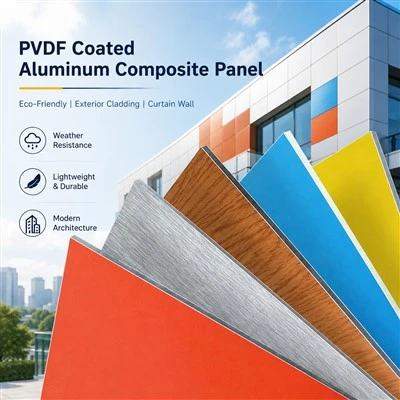
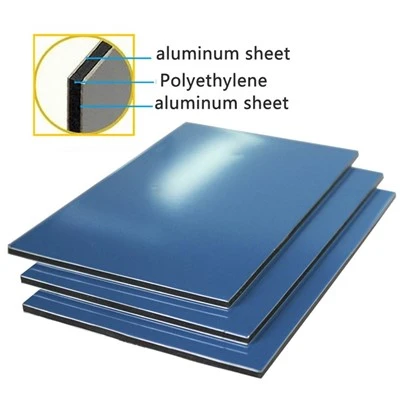
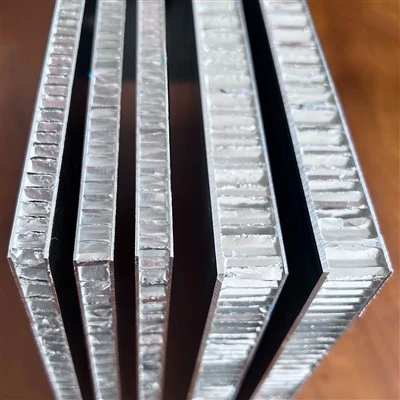
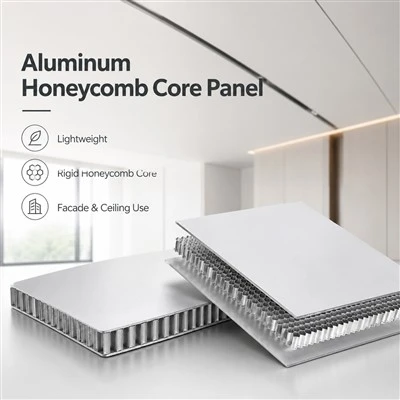
Aluminum single-layer panels, due to their lightweight, high strength, flexible design, and good durability, have become an important material in the field of building curtain walls and decoration.To fully utilize their advantages in actual projects, it is necessary to master several practical techniques in the processing and installation stages to improve the quality of finished products and construction efficiency.
In the processing stage, accurate measurement and reasonable layout are fundamental techniques. Since aluminum single-layer panels are mostly customized according to design dimensions, it is necessary to repeatedly verify the data based on the on-site structure in the early stage to avoid uneven joints or material waste caused by cumulative errors. Using computer-aided layout can optimize the utilization rate of the panels and reduce the generation of scrap while meeting design requirements. Using high-precision CNC equipment during cutting, and keeping the cutter sharp and the parameters stable, can effectively prevent burrs and the expansion of the heat-affected zone, creating favorable conditions for subsequent bending and surface treatment.
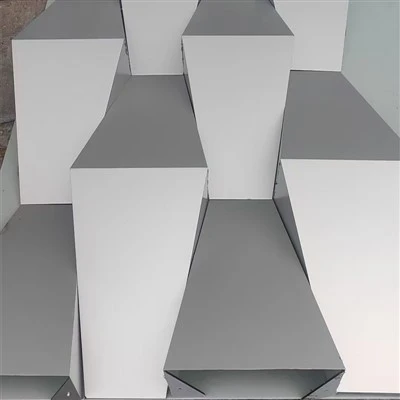
Bending techniques focus on controlling the angle and springback. Aluminum has a certain amount of springback after being subjected to force. Experience shows that the angle can be pre-compensated during programming, and the results can be verified during trial bending. Complex hyperboloids or irregularly shaped parts should be formed in stages, supplemented by mold support to prevent uneven stretching and surface undulations. If welding or riveting is unavoidable, processes compatible with the substrate should be selected, and post-weld grinding should be performed to maintain surface flatness and coating adhesion.
The key to surface treatment lies in environmental control and process coordination. Before spraying, ensure the substrate is clean and free of oil stains, and control temperature and humidity within the process range to improve coating leveling and uniformity. When applying multiple layers, allow sufficient drying time between layers to prevent blistering or peeling caused by incomplete solvent evaporation. For panels requiring special effects, a sample should be made first to confirm color differences and texture before mass production.
Installation techniques emphasize structural stability and meticulous finishing. Dry-hanging systems must ensure accurate keel positioning and tight connections, and adjustable supports should be used to compensate for civil engineering deviations. Panel joint widths should be consistent; masking tape should be applied before applying sealant to prevent spillage and ensure straight lines. Large panels should be hoisted using specialized suction cups and secure lifting equipment, with multiple people working together to control their posture and prevent collisions and deformation. Cleaning stains from the panel surface promptly after construction maintains a clean appearance and facilitates future maintenance.
In summary, mastering techniques such as measurement and layout, bending compensation, environmental control, and installation coordination not only improves the pass rate of finished aluminum panels but also significantly enhances project quality and durability, providing reliable technical support for industry applications.