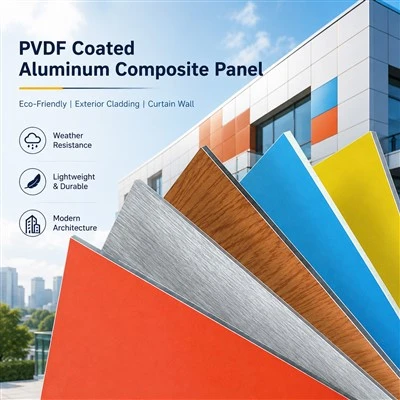
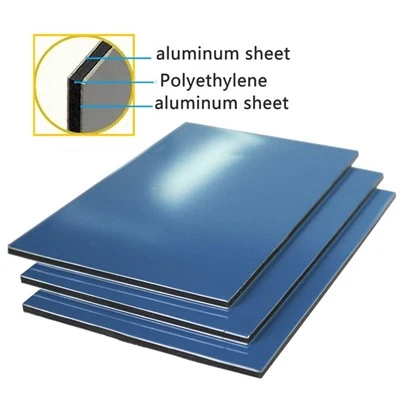
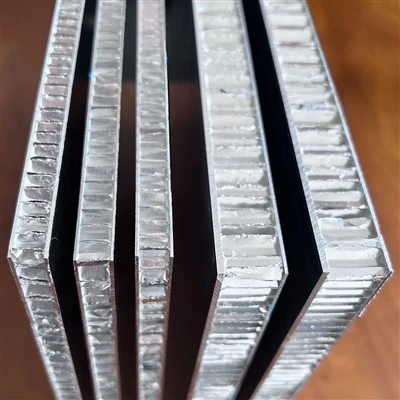
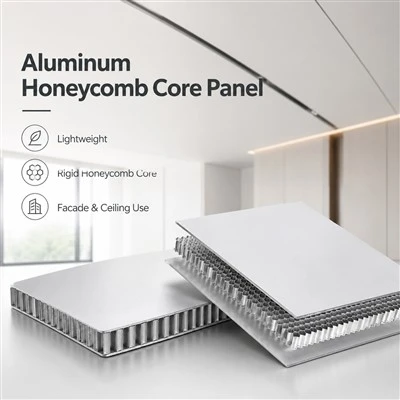
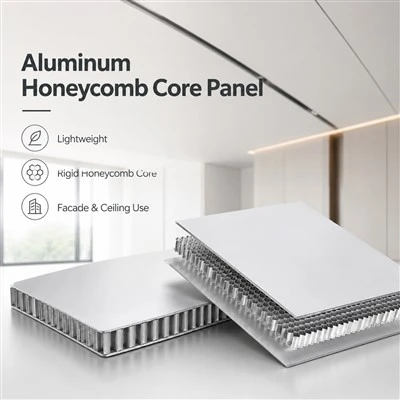
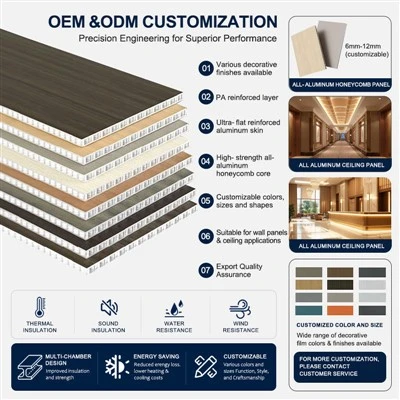
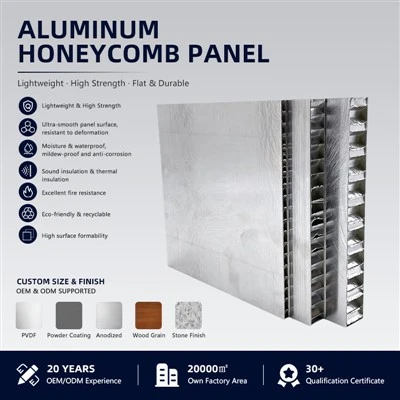
Film coated aluminum-plastic panel is a material that covers the surface of aluminum-plastic panel with a thin film. This film is usually made of polymer materials, which are tightly combined with aluminum-plastic panel through specific processes to form a composite material with excellent performance. The laminated aluminum-plastic panel not only retains the advantages of aluminum-plastic panel itself, such as light weight, high strength, corrosion resistance, etc., but also has more characteristics due to the addition of film.
Process Principle
The aluminum plate laminating process mainly utilizes high temperature and high pressure to tightly bond the film with the aluminum plate. During the lamination process, a layer of film and a layer of aluminum plate are pressed together under high temperature and pressure using a special press and adhesive, ensuring that the film firmly adheres to the surface of the aluminum plate.

Process flow
The process of aluminum plate laminating generally includes substrate surface treatment, primer coating, drying, topcoat coating, laminating, drying, quality inspection and other steps. Among them, surface treatment of the substrate is a key step, which directly affects the surface quality after coating. The application of primer and topcoat should be uniform and smooth, and the coating thickness should meet the standard requirements. Attention should be paid to controlling the temperature, pressure, and speed during the film covering process to ensure the quality of the film covering
Process Characteristics
Diversity
The laminating process allows for the selection of films in various colors and textures to meet the needs of different customers. This diversity makes aluminum panels more widely used in fields such as architectural decoration and furniture manufacturing.
Weather resistance
The coated aluminum plate has good weather resistance and can resist the erosion of harsh environments such as ultraviolet rays and humidity, extending its service life.
Easy to clean
The surface of the film is smooth, not easy to absorb dust and dirt, and easy to clean and maintain.
Good tactile feel
The surface of the coated aluminum plate has a layer of film that feels smooth to the touch, changing the cold and monotonous feeling of the metal material and enhancing the user experience.
Process advantage
environmental friendliness
High quality laminating materials are made of imported environmentally friendly water-based laminating materials, which do not add any chemicals or produce odors during the production process, meeting environmental requirements.
Wear resistance
The surface of the coated aluminum plate has high wear resistance and can resist scratches and wear in daily use.
Aging resistance
The film covering material has good anti-aging performance, and can maintain the beauty and performance of the aluminum plate for a long time.
Application field
The aluminum plate laminating process is widely used in fields such as architectural decoration, furniture manufacturing, automotive interiors, and electronic product casings. Especially in the field of architectural decoration, laminated aluminum panels are widely welcomed due to their beauty, durability, and ease of cleaning.

Precautions
Material selection
High quality laminating materials and adhesives should be selected to ensure that the laminated aluminum plate has good performance and appearance.
Surface treatment
Aluminum plates need to undergo surface treatment processes such as cleaning, degreasing, and passivation to ensure their surface is clean and smooth.
Quality inspection
The quality inspection requirements for aluminum plate coating include appearance quality, physical properties, mechanical properties, and other aspects. Through strict quality testing, ensure that aluminum sheet coated products meet standard specifications.
In summary, the laminated aluminum-plastic panel process is a treatment technology that covers the surface of aluminum-plastic panels with textured or polymer films through high temperature, special presses, and adhesives. This process not only improves the aesthetics and durability of aluminum-plastic panels, but also expands their applications in various fields. In the production process, it is necessary to strictly follow the process flow and quality inspection standards to ensure the quality and performance of the product.