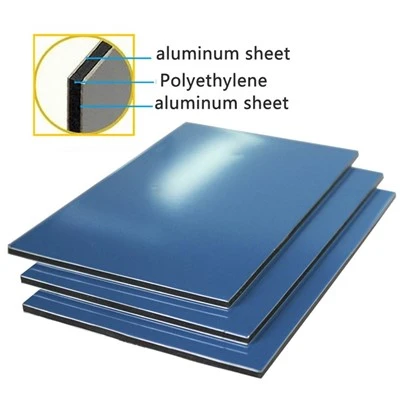
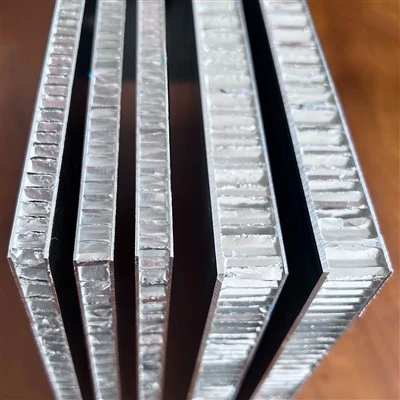
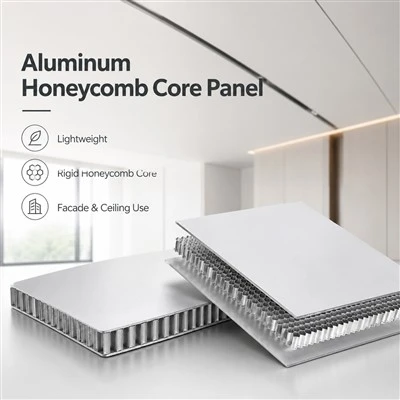
How to Cut Aluminum Composite Panel (ACP / ACM)
Key ground rules first: ✅ Keep the protective PE film on the finished face to prevent scratches. ✅ Support the whole panel fully; unsupported overhang causes cracking or delamination. ✅ Avoid excessive heat - heat melts PE core and makes skins separate. ✅ For exterior projects: seal raw cut edges after cutting to stop water wicking into the core. ✅ A2 mineral core ACP is brittle; cut slower, less force, avoid punching.
1. Circular Saw (most common for straight long cuts, sheets 4×8ft / bigger)
Best for fast straight cuts on site or in sign shops
Clamp the panel flat, place plywood under the cut line for backing.
Use a carbide-tipped blade for aluminum / non-ferrous metal, fine teeth (60–80T). Do not use standard wood blades.
Good side face UP.
Set blade depth just slightly deeper than the full panel thickness.
Slow, steady feed rate. If you smell burning plastic or see smoke, pause to cool down.
After cutting, clean stringy melted PE off the edge, deburr.
Note: Circular saw leaves a slightly rough edge; follow up with a file or sanding block for clean finish.
2. Score and Snap (great for thin & 3mm ACP; not recommended for 1/4" (6.35mm) thick ACM)
Use a sharp heavy-duty utility knife + straightedge ruler.
Score repeatedly along the line through the top aluminum skin and into the core.
Bend along the score line to snap it apart. ❌ Not reliable for 6.35mm ACP - easy to get jagged, delaminated edges.
3. Jigsaw (straight lines, curves, openings, irregular shapes)
Mark your line, drill a starter hole for closed cutouts.
Use a fine-tooth metal / plastic cutting blade.
Finished side up, support the waste section so it does not tear the skin as you finish the cut.
Move slowly; tight curves need extra gentle handling. Pros: flexible for custom shapes Cons: slower, edge not as clean as router.
4. CNC Router (factory / shop precision cutting - best quality for your ACP supply business)
This is what you use for cassettes, routed grooves, precise nested sheets
Bit: single flute up-cut carbide bit for aluminum composite
Vacuum table holds panel flat
Parameters: moderate spindle speed, controlled feed rate, chip extraction to remove core dust/shavings
Can do straight cuts, V-grooves for bending, notches, holes, custom profiles all in one run Output edges are clean, ready for folding or assembly.
5. Waterjet Cutting (premium, heat-free)
Perfect for A2 mineral fire-rated ACP, complex shapes, no melting, zero thermal damage.
No heat, so no melted core, no delamination risk at cut edge
Higher cost; usually for high-end facade or special project parts
6. Guillotine / Shear
Only suitable for PE-core ACP, straight simple cuts. ⚠️ Mineral-filled B1 / A2 core will crack at the shear line, so avoid.
Post-cut finishing steps (important for exterior panels)
Deburr both aluminum skins with a file, deburring tool, or 320–400 grit sandpaper.
Remove all melted PE strings from the cut edge.
For outdoor cladding: apply edge sealant to seal the exposed core. Unsealed edges absorb moisture and delaminate over time.
Quick comparison
| Cutting Method | Best for | Edge Quality | Suitable for A2 core |
|---|---|---|---|
| Circular saw | Long straight site cuts | Fair | Yes, slow cut |
| Score & snap | Thin 3mm ACP only | Poor | No |
| Jigsaw | Curves, openings, small custom shapes | Fair | Yes, very slow |
| CNC router | Precision, V-groove, cassettes | Excellent | Yes |
| Waterjet | Complex shapes, fire-rated panels | Perfect | Yes |
| Shear / guillotine | Straight PE-core sheets | Good | No, cracks |
Common mistakes to warn your buyers about
Cutting without backing → bottom aluminum skin tears
Too fast / dull blade → heat melts PE core, delamination starts at edge
Removing protective film before cutting → scratches on PVDF surface
Trying to shear A2 mineral core
Leaving raw unsealed edges on exterior facades