How to Estimate Aluminum Composite Panel (ACP / ACM)
We split this into 2 parts:
Quantity takeoff (how many sheets you need for a wall / sign)
Cost / price estimation (material cost, landed cost, quotation)
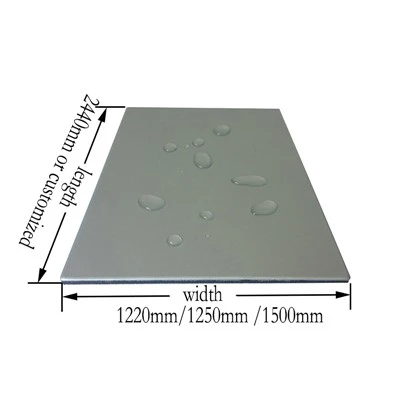
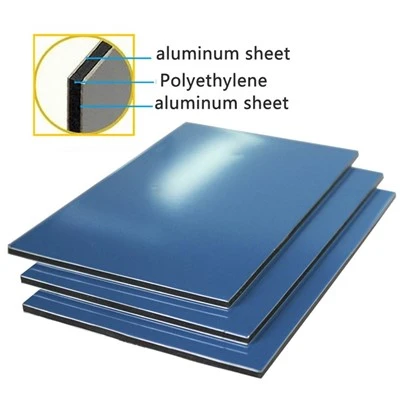
Standard ACP sheet size: 1220×2440 mm (4ft × 8ft), sometimes 1500×3050 mm (5×10ft)
Part 1: Estimate panel quantity (take-off)
Step 1: Calculate gross area
Total area = Width × Height of the cladding / sign surface Example: Wall 10 m wide × 3 m high Gross area = 10 × 3 = 30 m²
Step 2: Add waste factor (critical)
Waste comes from cutting holes, corners, cutouts, offcuts, damaged panels, V-groove cassettes.
Simple flat wall, few cutouts: 5% waste
Regular cassette facade, many bends / returns: 8%–12%
Lots of windows, doors, irregular shapes: 15%–20%
Curved panels, small fragmented sections: 20%+
Formula: Net required area = Gross area × (1 + waste %)
Example above with 10% waste: 30 × 1.10 = 33 m²
Step 3: Convert area to number of sheets
1 standard 1220×2440 sheet = 1.22 × 2.44 = 2.9768 m² per sheet Sheets = Total required m² ÷ m² per sheet → always round UP
33 ÷ 2.9768 ≈ 11.08 → 12 sheets
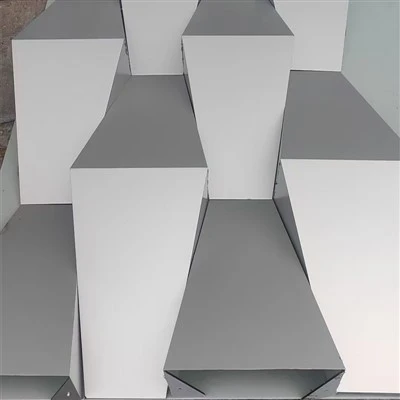
Step 4: Don't forget the return flanges (for routed & folded cassettes)
Most facade cassettes have folded returns (the bent edge that fastens to brackets). 👉 The folded flange area is extra material and often forgotten. Rule: Add the total area of all bent returns into your m² calculation.
Example: If each panel has a 40mm return on 4 sides, calculate that strip area and add it.
Step 5: Deduct large openings (windows, doors)
Subtract the area of big openings first before adding waste.
Small cutouts (pipes, lights) usually you do NOT subtract - they get covered by waste allowance.
Quick checklist for quantity estimate
✅ Measure finished elevation size ✅ Subtract large window/door areas ✅ Add area for folded returns / box sides ✅ Apply waste percentage ✅ Convert to sheets, round up ✅ Separate different colors / specs (PVDF / PE, skin thickness, fire grade)
Part 2: Estimate material & sales price (your supplier quotation)
ACP selling price is normally quoted per m² (most common for export). Price drivers (ranked biggest impact):
Aluminum skin thickness (0.15 / 0.20 / 0.30 / 0.40 / 0.5 mm skins - thicker = much more expensive)
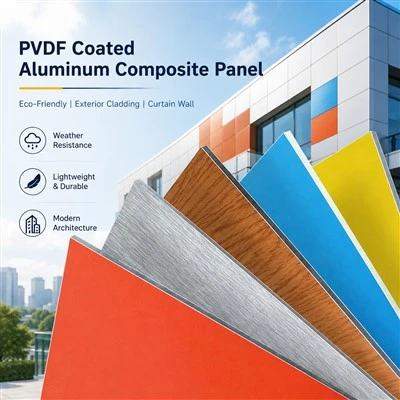
Coating: PVDF (AAMA 2605) >> FEVE >> Polyester PE
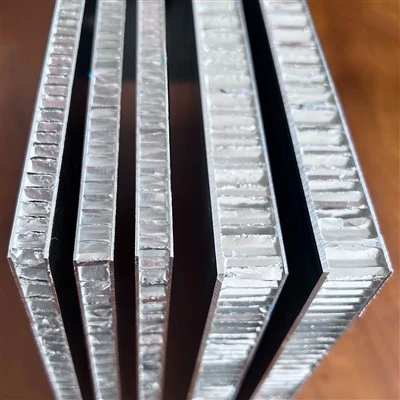
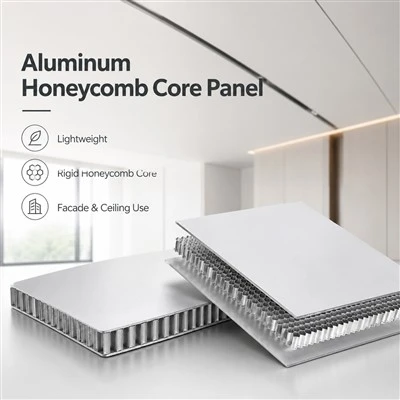
Core type: PE core < B1 mineral core < A2 non-combustible core (A2 can be 2~3× PE price)
Panel total thickness: 3mm / 4mm / 5mm / 6mm (your 1/4" = 6.35mm)
Color, special finish: metallic, wood grain, stone, anti-graffiti, matte
Order volume, MOQ, packaging, inspection, certification cost
Cost breakdown (for your factory / OEM model)
Unit cost per m² = Aluminum coil cost + core material cost + adhesive + protective film + coating depreciation + production overhead + labor + QC + certificate amortization + packaging
Then add:
Profit margin (export B2B commonly 8–18% depends on competition & fire grade)
Freight: domestic truck to port + sea / rail freight
Export docs: CIQ, SGS test, CO, FORM-E etc.
Bank charges, insurance
Final customer quotation format (typical)
USD XX / m², FOB / CIF / DAP Spec: 4mm ACP, 0.3mm aluminum skin both sides, PVDF coating, PE core, RAL 9006 MOQ: XXX m² Waste: Buyer to confirm waste allowance Excludes: fabrication (V-groove, cutting, bending), installation, subframe, silicone, trims
Part 3: Weight estimation (very useful for container loading)
Typical PE-core ACP weight reference:
4mm PE ACP, 0.3mm skins: ~5.5 kg/m²
6mm (1/4") PE ACP, 0.3mm skins: ~7.0–7.5 kg/m²
A2 mineral core 4mm: ~9–11 kg/m², much heavier
Total weight = total m² × kg/m² Use this to calculate container load, freight, and overweight risk for 20GP / 40HQ.
Part 4: Common estimating mistakes your sales team should avoid
Forget folded return flanges → underquote, lose money
Use same waste factor for simple walls and complex facades
Mix up coating grades (quote PE but customer expects PVDF)
Ignore weight difference of A2 core → container overweight
Count sheets by sight without nesting layout (nesting software optimizes cuts and reduces waste)
Do not separate different colors; one color cannot use offcuts of another
Simple formula summary you can put in your sales sheet
Effective Area = (Wall Area − Large Openings) + Return Flange Area
Required Area = Effective Area × (1 + Waste Factor)
Sheet Qty = ROUND UP (Required Area ÷ 2.9768)
Weight = Required Area × Unit Weight (kg/m²)