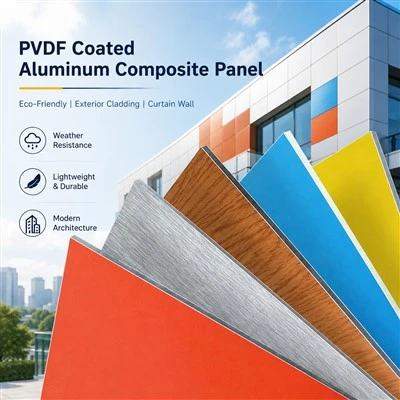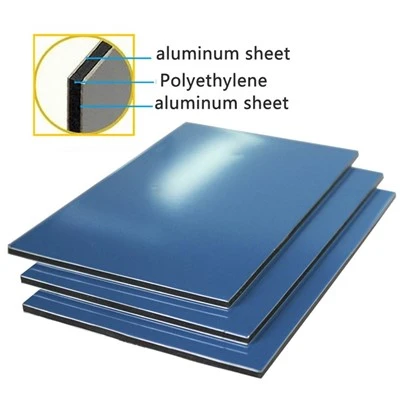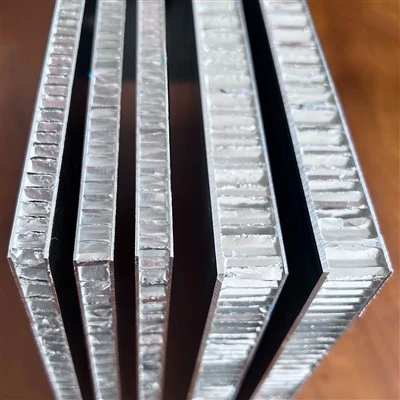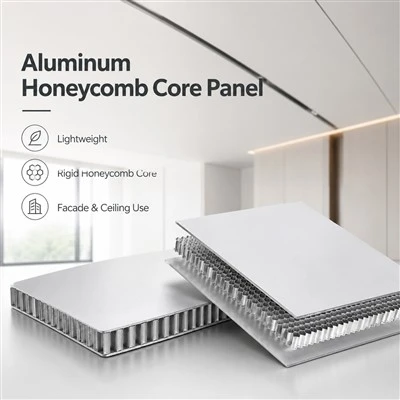
Aluminum composite panels (ACM / ACP) are mainly installed by dry hanging or adhesive bonding.
Method 1: Dry cladding / dry hanging (preferred for exterior facades)
An aluminum alloy or galvanized steel substructure is erected on the building wall. Custom aluminum fixing brackets and pressure profiles secure the panels. Controlled expansion gaps (usually 8–12 mm) are reserved between adjacent panels, then filled with compatible weatherproof sealant. This method reduces thermal stress, easy for maintenance.
Method 2: Adhesive bonding (for interior flat substrates)
Suitable for smooth, solid and stable substrates such as cement board, plywood or concrete wall. Clean and dry the surface thoroughly. Apply structural adhesive in dot or strip pattern on panel rear side, position the panel and hold it with temporary bracing until full curing. This is not recommended for high-rise exterior.
Critical installation notes
Always retain the protective film during handling and installation; remove it immediately after installation to avoid film sticking under sun heat.
Thermal expansion must be considered. Never install panels tightly without gaps.
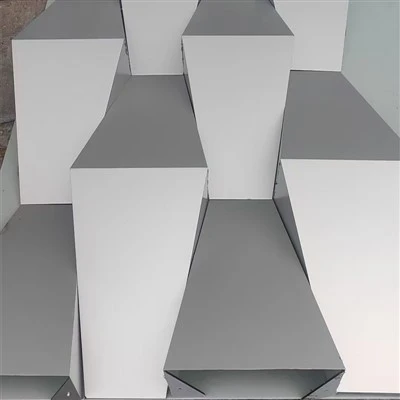
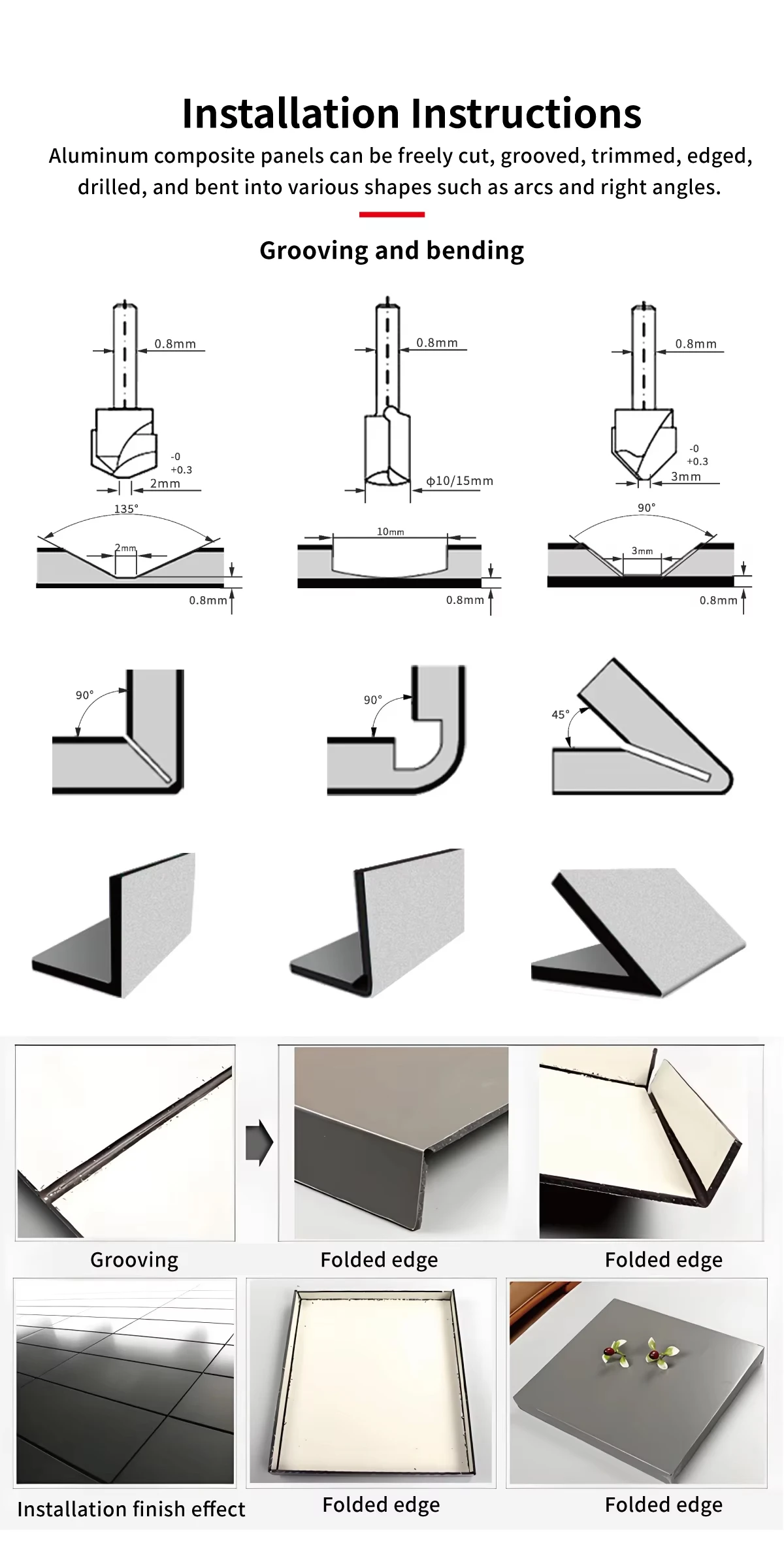
For corner details, panels can be V-grooved and folded on site.
Avoid sharp hard objects scratching the coating surface.