How to Join Aluminum Composite Panel (ACP / ACM)
Core rule for all exterior joints: leave thermal expansion gap (≈3 mm per meter length). Never lock panels tight; aluminum expands and contracts with temperature.
1. Wet Seal Joint (Face Caulk Joint, budget low-rise / signage)
Best for simple walls, renovation, curved facades
Mount panels on aluminum/steel subframe, leave consistent gap: 8–12 mm
Insert closed-cell PE backer rod first (controls sealant depth, avoids 3‑sided adhesion)
Apply neutral weatherproof silicone / MS polymer sealant - NO acid silicone (it corrodes aluminum)
Tool the sealant smooth, mask PVDF surfaces to prevent silicone staining ✅ Pros: Low cost, water-tight ❌ Cons: Sealant ages (5–10 years), collects dirt; not preferred for premium high‑rise
Use for: small commercial cladding, soffits, sign walls
2. Dry Open / Dry Gasket Rainscreen Joint (hidden fix, premium facade, EU / Middle East standard)
No silicone on the face; ventilated drainage cavity behind panels
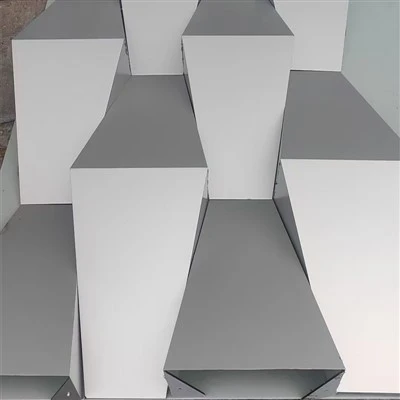
Fabricate ACP into routed & folded cassettes with return flanges
Hook / screw cassette flanges onto aluminum brackets (fasteners stay hidden)
Keep 10–20 mm open joint between panels; EPDM gaskets optional
Waterproof air barrier + drainage membrane behind the joint ✅ Pros: Clean sharp lines, no sealant maintenance, handles thermal movement well, approved for A2 fire‑rated facades ❌ Cons: Higher cost for aluminum brackets and precise CNC fabrication
Use for: shopping mall facades, high-rise projects, Big 5 style architectural jobs
3. Visible Fastener Joint (screw / rivet fixing, signage, interior, simple decorative walls)
Two ways: through face or through folded return edges
Pre‑drill holes 2–3 mm oversized vs fastener diameter for sliding expansion
Use aluminum or 316 stainless steel rivets / self‑drilling screws + EPDM rubber washers
Add color‑matched plastic caps if you want to hide screw heads ⚠️ Never use plain steel fasteners touching aluminum → galvanic corrosion stains ✅ Pros: Fast, cheap, easy field repair ❌ Cons: Fastener heads visible without caps, risk of water penetration at holes
Use for: billboards, kiosks, interior partitions
4. Adhesive Bonded Joint (glue-on, interior mostly)
Bond ACP onto solid substrate (cement board, aluminum sheet, MDF)
Fully degrease and clean the back aluminum skin and substrate
Use structural PU adhesive or acrylic structural foam tape (not regular double‑sided tape)
Always add mechanical spot fasteners as backup for exterior (most building codes reject glue‑only exterior cladding) ✅ Pros: Zero visible fixing points ❌ Cons: Hard removal, glue failure risk outdoors
Use for: shop fit-outs, exhibition booths, interior feature walls
5. Extrusion Trim / Profile Joint (H-profile, U-cap, L-angle, snap-on cover)
You can sell these accessories together with your ACP sheets
H-joint extrusion: sits between two panel edges for uniform straight joint
L-angle: internal / external corner cover
U-channel: edge finishing for raw cut panel edges Great for clean decorative interior joints and hiding rough cut edges.
6. Joining folded ACP boxes / sign cassettes (after V‑groove bending)
When making sign boxes, column covers:
Inside corner: aluminum angle gusset + rivets / structural glue
Outside corner: L aluminum trim cover to hide the miter seam
Seal raw cut core edges with edge sealant for outdoor use
Critical universal rules (put these in your TDS)
Isolate dissimilar metals with EPDM gaskets to stop galvanic corrosion
A2 mineral core ACP is brittle around holes; do not over‑tighten fasteners
All raw cut edges for exterior cladding must be edge‑sealed to block moisture from wicking into core
PVDF coating must be masked before caulking; silicone residue is very hard to clean off PVDF
Curved ACP panels: dry hidden bracket joint is preferred; avoid face screws on curved surfaces
Quick comparison
| Joint Method | Visible Fixings | Waterproof | Best Application |
|---|---|---|---|
| Wet silicone joint | Yes (seal line) | Good | Low-rise, budget cladding |
| Dry rainscreen hidden cassette | No | Excellent (drainage) | Premium facade, high-rise |
| Rivet / screw with cap | Optional | Fair | Signs, simple interior walls |
| Structural adhesive | No | Poor outdoors | Interior decoration |
| Aluminum H/L trim | Trim visible | Cosmetic | Clean interior joints |